

Ottawa sites face a mix of urban exposure, seasonal conditions, and high-traffic public spaces that create security challenges for construction sites, events, and municipal works. Effective site hardening starts with clear priorities: deny unauthorised access, slow or deter malicious activity, and create visibility so problems are spotted and resolved quickly. The right combination of temporary fencing, crowd and traffic control, physical barriers, and professional logistics turns a vulnerable footprint into a defended, manageable perimeter.
Why focused site hardening matters in Ottawa
Site hardening isn’t an optional add-on. In the National Capital Region, theft of materials, tool theft, unauthorised entry, and vandalism create cost overruns, schedule delays, and increased insurance premiums. Events and public works bring extra hazards: large crowds, vehicles, and mixed-use streets around Nepean, Kanata, and Orleans require clear, robust perimeter strategies. A tailored hardening plan protects assets and protects public safety—reducing costly incidents and simplifying permit and traffic-control approvals.
Key reasons to prioritise site hardening include:
- Reduce theft and vandalism risk to equipment, materials, and temporary installations.
- Meet municipal safety and permit requirements for road closures and event perimeters.
- Prevent unauthorised access that can cause injury or liability issues on construction and event sites.
- Improve operational efficiency through clear traffic control plans and trained on-site staff.
5 strategic steps to harden your site
Below are five practical, prioritized actions that create a layered defence around construction sites, special events, and public works in Ottawa and nearby communities. Follow them in sequence to get the most impact with the least disruption and cost.
- Step 1 — Design the perimeter with purpose: Start with a site plan that clearly defines restricted zones, delivery areas, emergency egress, and public access points. Use fencing lengths, gates, and barriers to funnel movement where you can control it. Well-planned perimeters reduce the number of access points that need active monitoring.
- Step 2 — Choose the right physical barriers: Match barrier type to the risk and environment. For busy city streets and festivals, stage barricades and crowd control barricades provide safe, visible separation. For construction lots, 6 ft and 8 ft temporary fencing with privacy screening limits sightlines and theft opportunities. Concrete blocks and heavy bases anchor fencing where vehicles or high winds are a concern.
- Step 3 — Control access and staffing: Use gated entries with trained attendants for high-traffic events or active job sites. Barricade attendants and trained labour control pedestrian flow, verify credentials, and manage deliveries. On larger sites, combine attendants with keyed or lockbox access at service gates to keep unauthorised people out.
- Step 4 — Layer monitoring and deterrents: Add lighting, cameras, and signage to increase detection and deter casual theft. Temporary lighting and clear, visible signage that marks private property, no-trespassing zones, and required protective equipment clarify expectations. Where cameras aren’t feasible, regular security patrols or predictable attendance reduce incidents.
- Step 5 — Integrate site logistics and traffic control: Hardening is only effective if site operations support it. Create Traffic Control Plans for any road closure, staging, or delivery operations. Use traffic signage, parking control, and trained traffic staff to protect gates and loading zones while keeping public traffic flowing safely in Ottawa, Nepean, Kanata, and Orleans.
Practical implementation: how to apply the five steps on real sites
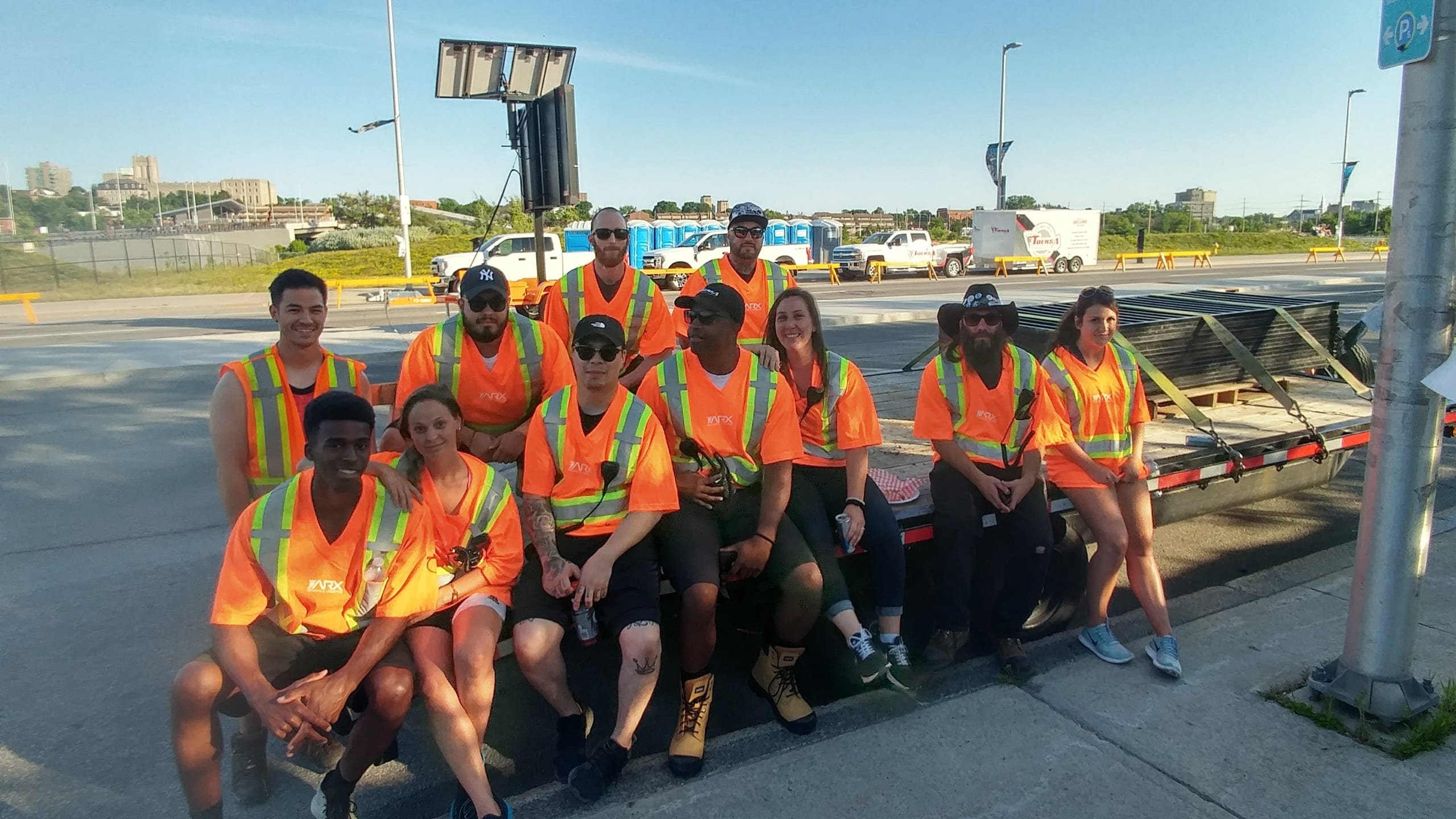
Turning strategy into reality means using the right products and proven operational practices. ARX Fencing and Logistics provides the equipment and trained staff to implement each step across the Ottawa area. Below are specific actions and product recommendations tied to each part of the hardening process.
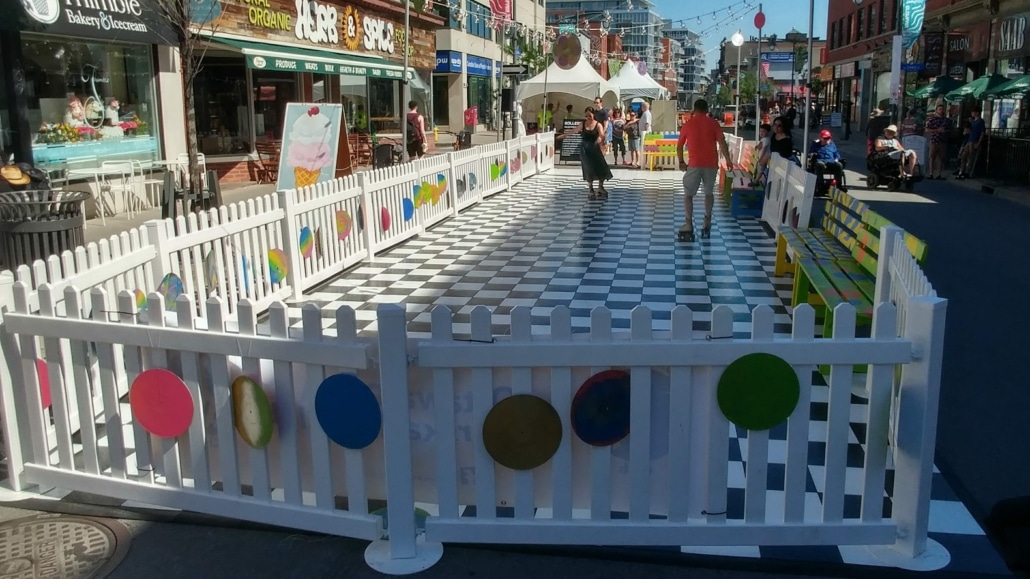
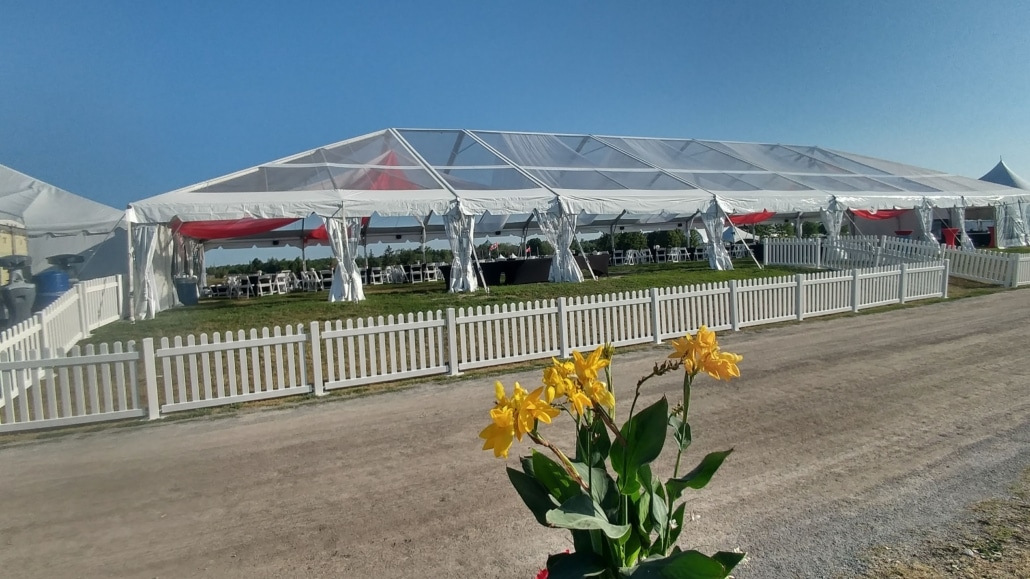
- Perimeter planning and materials: Use 8 ft or 6 ft temporary fencing for active construction perimeters; 4 ft fencing and white picket fence work for lower-security or aesthetic requirements. Add privacy screening where open visibility would invite theft or expose sensitive work.
- Barriers and anchors: Deploy concrete blocks for vehicle-rated closures and base-mounted fencing when you need extra stability. Red bases and top clips improve visibility and durability for panel ends in high-traffic setups.
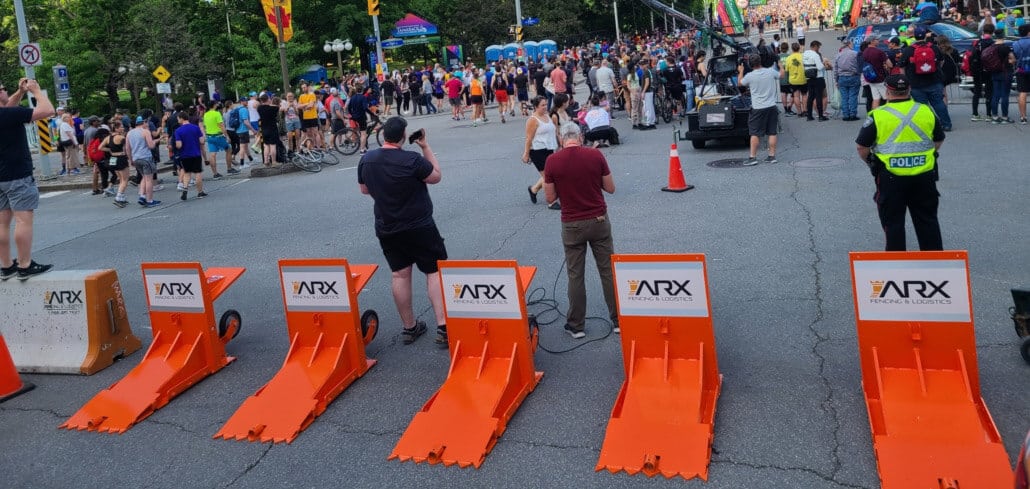
- Event crowd control: Stage barricades and crowd control barricades are essential for concerts, festivals, and official ceremonies. Use VIP fencing for restricted areas and combine barriers with trained barricade attendants to maintain sightlines and safety for both performers and attendees.
- Traffic and road closures: Coordinate Traffic Control Plans for any roadwork or event that affects lanes or pedestrian routes. Proper signage and road closure equipment, plus trained traffic control staff, reduce risk and speed permit approvals with the city.
Operational tips and common pitfalls to avoid
Hardening a site is part equipment, part process. Small operational gaps often create the largest vulnerabilities. Address these routine but critical items to keep your perimeter working as intended.
- Don’t rely on fencing alone: Unmanned, unsecured perimeter panels can be lifted, cut, or bypassed. Combine fencing with attendants, locks, and lighting.
- Stage proper handoffs for deliveries: Schedule delivery windows and use a single, supervised gate so materials aren’t left in unsecured staging areas overnight.
- Plan for weather and seasonal issues: Ottawa winters and spring thaws affect fencing stability and site access. Use heavyweight bases and re-check anchors after storms or freeze-thaw cycles.
- Keep lines of communication open: Ensure site supervisors, contractors, and event staff have a shared contact list and an escalation plan for security incidents.
Measuring success and adjusting your plan
Hardening isn’t set-and-forget. Use clear metrics to verify your security measures are working: incident frequency, response time, lost-materials value, and permit or inspection feedback from municipal authorities. Review site performance weekly on active projects and after every event. When issues crop up, adjust the mix of physical barriers, staffing levels, and monitoring methods to close the gaps.
For example, if thefts occur overnight, add locked gates and motion-activated lighting. If crowd bottlenecks form at events, reconfigure barricade runs and add additional attendants at pinch points. Small, targeted changes often produce the best return on investment.
Next steps to secure your Ottawa site today
Start with a simple site survey: map access points, mark high-value equipment, and identify vehicle routes needing protection. From there, choose the combination of temporary fencing, barricades, concrete blocks, privacy screening, attendants, and traffic control measures that match the risk. Applying these five strategic steps—purposeful perimeter design, matched physical barriers, controlled access, layered monitoring, and integrated logistics—gives you a durable, manageable security posture that works in Ottawa, Nepean, Kanata, Orleans and surrounding communities.
—
Work with ARX Fencing and Logistics to harden your site
ARX Fencing and Logistics specializes in site hardening, event operations, road closures, and site logistics for the Greater Ottawa Area. Whether you need temporary construction fencing, crowd control barricades, concrete blocks, privacy screening, trained barricade attendants, traffic control equipment rentals, or a full Traffic Control Plan, our team has the products and operational experience to implement an effective, code-compliant hardening plan. Contact ARX Fencing and Logistics to schedule a site assessment and get a free estimate tailored to your Ottawa project.