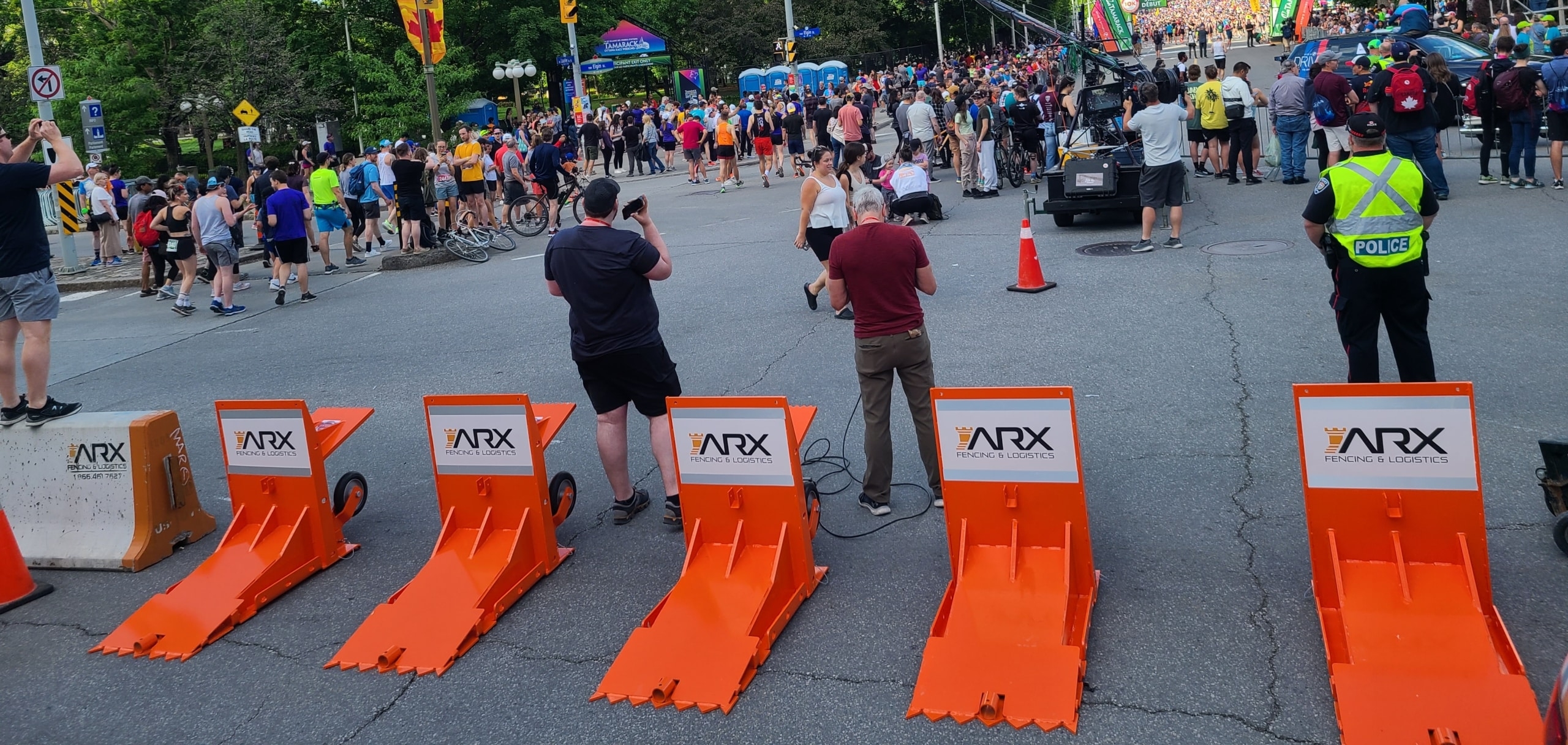


Managing a road closure in Ottawa means balancing public safety, traffic flow, municipal requirements, and site security. Whether you’re running a downtown lane closure for construction, setting up a festival perimeter on Wellington Street, or coordinating a temporary detour in Kanata, the right mix of equipment and planning is what prevents delays, fines, and safety incidents.
Why the right equipment matters for Ottawa road closures
Road closures in the National Capital Region present unique challenges: dense urban traffic, heavy pedestrian volumes, and strict municipal permitting rules. Using the correct tools reduces risk, keeps traffic moving, and helps your team meet local standards for public safety and site security.
Key benefits of choosing appropriate equipment include:
- Clear, visible separation between work zones and public areas to prevent accidents.
- Faster setup and teardown, reducing labour hours and street occupancy time.
- Stronger compliance with City of Ottawa traffic and permit requirements, lowering the chance of fines or forced changes.
The 11 essential tools for Ottawa road closures
Below are the practical tools ARX Fencing and Logistics recommends for safe, compliant road closures across Ottawa, Nepean, Kanata, Orleans and surrounding communities. Each entry explains when to use the item and how it contributes to a reliable closure.
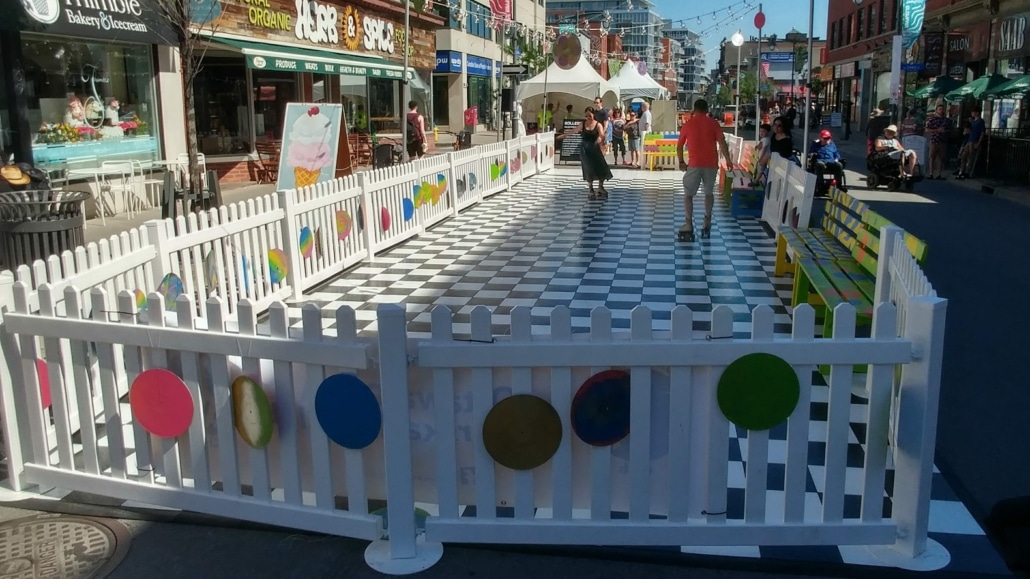
- Crowd control barricades — Ideal for pedestrian management at events, sidewalk re-routes, and creating short-term queuing lanes. These barriers are quick to deploy, highly visible, and modular enough to form continuous barriers along sidewalks, plazas, and festival perimeters.
- Stage barricades — Heavy-duty barriers built for front-of-stage safety and higher-stress crowd containment. Use them where crowd density or the need for robust front-line protection is high, such as concerts or public ceremonies in downtown Ottawa.
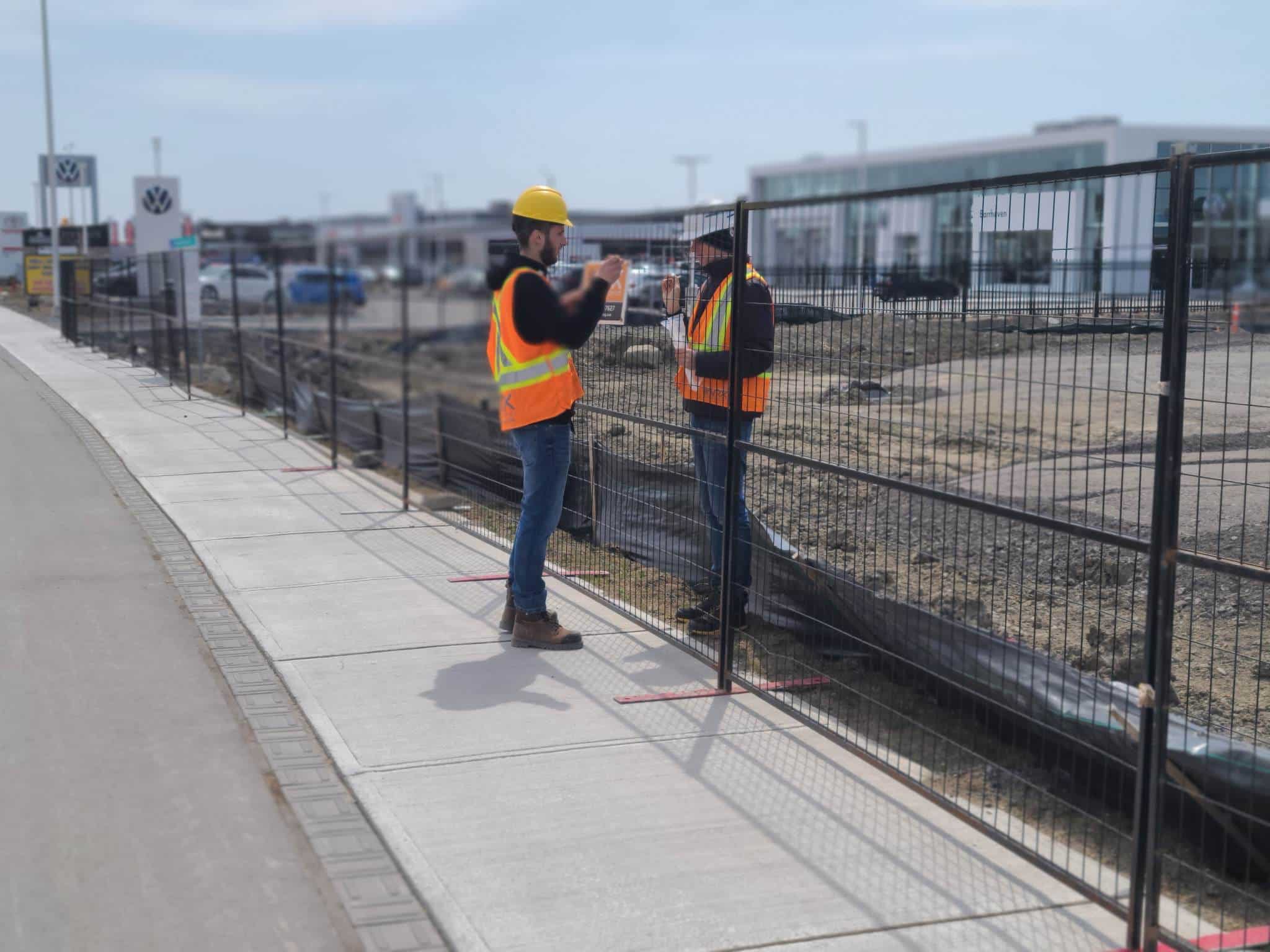
- Temporary construction fencing (4 ft panels) — Best for delineating low-risk zones, pedestrian funneling, and short perimeter sections where visibility is important. The 4 ft option is easier to move and ideal for mixed pedestrian/vehicle environments.
- Temporary construction fencing (6 ft panels) — Commonly used to restrict public access to active construction areas and provide a clear visual and physical barrier. The 6 ft height balances security and cost for medium-risk sites.
- Temporary construction fencing (8 ft panels) — For sites requiring greater privacy, security, or site hardening. Use 8 ft panels for high-value equipment yards, sensitive utilities work, or when additional deterrence is needed against theft and trespass.
- Concrete blocks — Heavy, dependable anchors for fencing and barricades where wind, vehicle impact risk, or unauthorized movement is a concern. Concrete anchors are essential in high-traffic urban intersections and open lots where temporary posts can’t be driven into the ground.
- Privacy screening — Installed on fencing to block sightlines, reduce dust visibility, and protect worksite confidentiality. Privacy screening works well on 6 ft and 8 ft panels for projects near residential areas in Orleans or busy commercial corridors in Kanata.
- Traffic control signs and road signs — Regulatory and directional signage is required by municipal permits and critical for communicating detours, lane closures, and speed reductions. Clear signage prevents confusion and reduces incident risk at closure start and end points.
- Parking control and parking signage — Tools to manage temporary no-parking zones, reserved spots for contractors, and shuttle pick-up/drop-off locations. Proper parking control reduces conflict with local residents and emergency access needs.
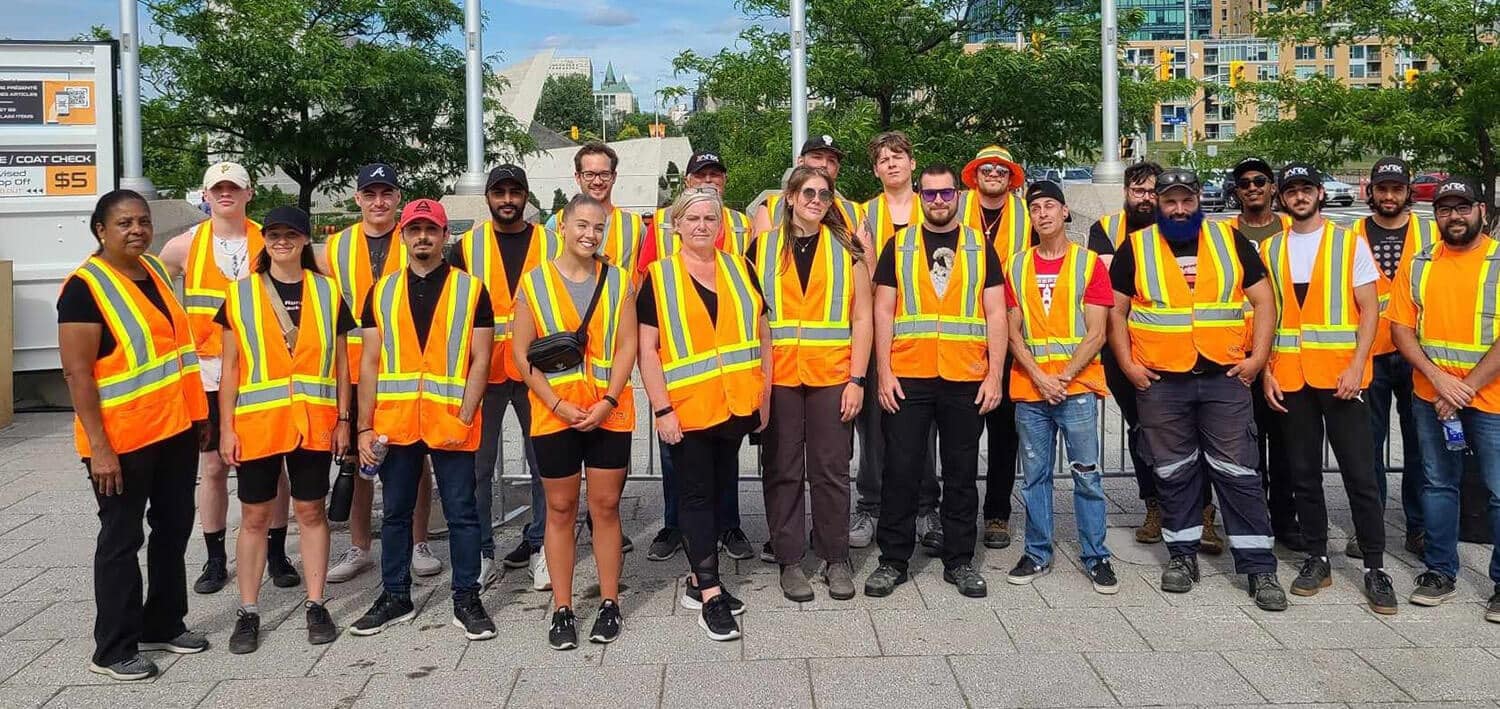
- Barricade attendants and trained labour — On-site staff who manage pedestrian flows, direct emergency vehicles, and assist with dynamic changes. Trained attendants reduce public frustration, improve compliance with closure routing, and serve as a human safety layer when conditions change.
- Traffic Control Plans and site logistics — A documented plan that maps closures, detours, signage, and staging areas. A Traffic Control Plan is not a physical item but is an essential tool for permit approval and coordinated operations across Ottawa, Nepean, Kanata and surrounding communities.
How to select and combine tools for different Ottawa scenarios
No two road closures are identical. Choosing the right combination depends on location, duration, traffic volume, and stakeholder expectations. Below are practical pairings and why they work:
- Short-duration lane closure on a downtown street: Use crowd control barricades, traffic control signs, and trained attendants to maintain flow and quickly reopen lanes after work.
- Multi-day construction site near residential areas: Combine 6 ft or 8 ft fencing with privacy screening, concrete blocks for anchoring, parking control, and a Traffic Control Plan to meet permit requirements and limit disruption.
- Festival street closure: Deploy stage barricades at front-of-stage areas, crowd control barriers along spectator routes, concrete blocks where necessary, and attendants for crowd safety.
- Utility work requiring emergency vehicle access: Keep signage, barricade attendants, and a clear Traffic Control Plan to ensure staged, rapid access paths for first responders.
Deployment best practices for Ottawa, Nepean, Kanata, and Orleans
Field deployment must account for municipal policy, weather, and local traffic patterns. Follow these operational guidelines to reduce risk and speed approvals:
- Pre-plan with a Traffic Control Plan: Municipalities like the City of Ottawa expect a clear plan showing detours, signage, and equipment staging. Including a detailed plan shortens permit processing time.
- Anchor and secure fencing properly: Use concrete blocks or other approved anchoring methods when ground conditions don’t allow driven posts. High winds and winter freeze-thaw cycles common in Ottawa require extra attention to anchoring.
- Use the right signage early: Place advance warning signs at appropriate distances for arterial roads and adjust sign spacing for low-speed neighbourhoods in Nepean and Orleans.
- Staff critical points: Trained barricade attendants at intersections and pedestrian crossings prevent unsafe crossing attempts and keep emergency lanes clear.
Maintenance, storage and theft prevention
Equipment sitting on-site for days or weeks is vulnerable. Proper storage and routine checks limit replacement costs and downtime.
- Inspect barricades and fence panels daily for movement, damage, or missing parts, especially after weather events.
- Use concrete blocks and tamper-resistant fasteners to discourage theft and unauthorized relocation of panels.
- Store smaller items like traffic signs and cones inside locked trailers overnight when possible, particularly in higher-theft zones.
Permitting, compliance and municipal coordination
Permits and approvals are fundamental to any road closure in the Ottawa area. Failure to comply can lead to fines, project stoppages, or public complaints. Work closely with municipal authorities and include the following in your submission:
- A detailed Traffic Control Plan that identifies closure times, detour routes, signage, and equipment staging.
- Clear contact information for on-site supervisors and barricade attendants so city officials and emergency services can reach someone quickly.
- Proof of insurance and any required traffic control personnel certifications.
Safety and crowd management tips
In busy areas like event sites or festival zones, crowd behaviour can change quickly. Equip your closure with tools that prioritize human safety and make it easier to respond to shifting conditions.
- Deploy stage barricades and crowd control barricades in layered configurations to reduce crowd pressure on single barriers.
- Keep clear sightlines for attendants and emergency responders—privacy screening can be used selectively so necessary visibility isn’t lost.
- Train attendants on basic crowd psychology, de-escalation, and emergency access procedures.
Final operational checklist to launch a successful closure
Before you close any lane or street, run through a quick procedural checklist to confirm readiness and municipal compliance:
- Traffic Control Plan approved and on-site copy available.
- All signage and barricades staged and anchored, with concrete blocks where required.
- Attendants scheduled and briefed on safety, emergency contact procedures, and public interaction expectations.
- Parking control measures posted and local residents or businesses notified where required.
Wrap-up: practical planning beats last-minute scrambling
Successful road closures in Ottawa combine the right equipment, a clear Traffic Control Plan, and trained staff who can adapt to changing conditions. Using tools such as crowd control barricades, temporary fencing, concrete anchors, signage, and trained attendants reduces incidents, speeds operations, and keeps projects on schedule across Ottawa, Nepean, Kanata, Orleans and surrounding communities.
—
Work with ARX Fencing and Logistics to get it right
When your next road closure requires reliable equipment and experienced execution, ARX Fencing and Logistics provides the gear, trained labour, and Traffic Control Plans needed for safe, compliant operations across Ottawa and surrounding areas. From temporary fencing and stage barricades to concrete blocks, parking control, and on-site attendants, our team supports construction sites, special events, and public works with practical, field-ready solutions. Contact ARX Fencing and Logistics to discuss your road closure needs and get a free estimate tailored to Ottawa, Nepean, Kanata, Orleans and nearby communities.