

Temporary fencing height is not a minor detail. For contractors working in Ottawa, the difference between 4-foot, 6-foot, and 8-foot fencing can affect how people move around a site, how clearly the perimeter is defined, how much privacy the area has, and how effectively access is controlled. Selecting a fence that is too short may leave a work zone easy to enter or difficult to manage. Choosing a taller fence than necessary may reduce visibility and add cost without improving the operation.
The right choice depends on the purpose of the perimeter, the people who need to move through or around it, the level of separation required, and the overall site logistics plan. ARX Fencing and Logistics provides temporary fencing options for Ottawa construction sites, events, restricted areas, and controlled perimeters, including 4-foot fencing, 6-foot fencing, and 8-foot fencing. Understanding the strengths of each height helps contractors make a practical decision before installation.
Start With the Jobsite’s Main Objective
Before comparing fence heights, identify what the fencing needs to accomplish. Temporary fencing can guide pedestrians, define an event perimeter, separate people from active work areas, restrict access, or support a more controlled site-hardening strategy. One height may be suitable for a visible boundary, while another may be better for a restricted commercial site or a perimeter where privacy matters.
Contractors should also consider how the fence will work with other site logistics equipment. Depending on the project, the perimeter may need to work alongside crowd control barricades, concrete blocks, road closure barricades, privacy screening, parking control, traffic control equipment, or trained labour. A fence should not be selected in isolation if the project involves vehicles, queues, public access, event operations, or changing work zones.
- Guidance: If the main goal is directing people or separating areas while maintaining visibility, a shorter fence may be appropriate.
- Access control: If the perimeter needs to discourage entry into a work zone or restricted area, a taller fence may provide a clearer physical boundary.
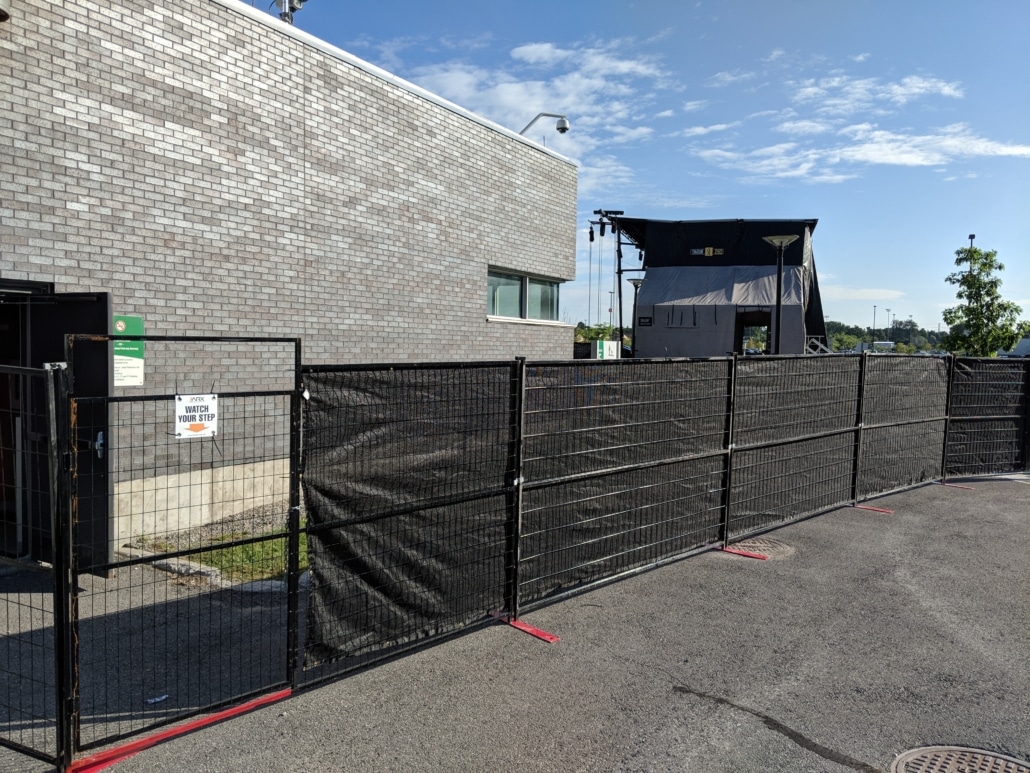
- Privacy: If the project requires reduced visibility from outside the perimeter, consider 8-foot fencing with privacy screening where suitable.
- Site coordination: If the project includes traffic movement, event operations, or public access, plan the fencing with gates, routes, barricades, and work areas together.
When 4-Foot Fencing Is the Right Choice
Four-foot temporary fencing is a practical option when visibility and clear communication are important. Its lower profile can define an area without creating a tall visual obstruction, making it useful for event perimeters, pedestrian guidance, site separation, and areas where people need to understand the boundary at a glance.
For contractors and event teams, 4-foot fencing can help organize movement without making the space feel closed off. It may be suitable around a designated area, along a pedestrian route, near queues, or beside an event zone where staff need to maintain a clear line of sight. It can also help separate public areas from operational spaces while preserving visibility between both sides of the perimeter.
Four-foot fencing is often worth considering when the project prioritizes organization over maximum height. It can make it easier for staff and attendees to see one another, identify access points, and understand where a queue or controlled area begins and ends. In event operations, that visibility may support a more straightforward guest experience when combined with appropriate crowd control planning.
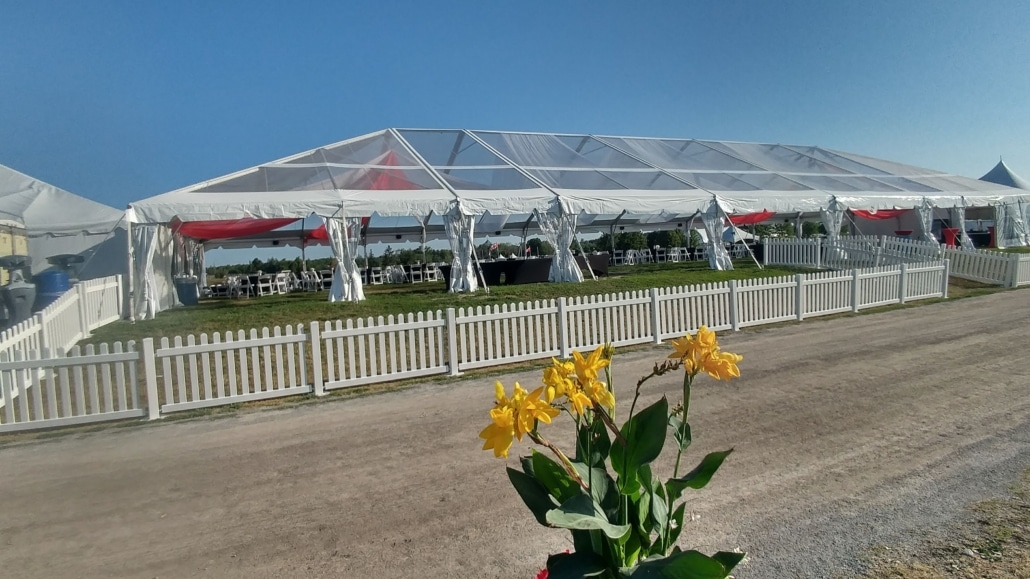
- Event perimeters: Use 4-foot fencing to define activity areas while keeping the perimeter visible to guests and staff.
- Pedestrian guidance: Use it to help direct foot traffic and create simple separation between walking routes and other areas.
- Queue organization: Use it to establish orderly lines or waiting areas where visibility remains important.
- Site separation: Use it where a contractor needs a clear boundary between work zones without creating a tall visual barrier.
Four-foot fencing is not intended to solve every access-control or privacy requirement. If the project involves a more restricted work area, valuable materials, heavy public exposure, or a need to limit visibility, contractors should assess whether 6-foot or 8-foot fencing would provide a better fit.
When 6-Foot Fencing Offers the Best Balance
Six-foot temporary fencing is a versatile choice for many Ottawa construction sites, events, restricted areas, and controlled perimeters. It provides more separation than 4-foot fencing while remaining practical for projects that do not require the extra height of an 8-foot perimeter.
For construction contractors, 6-foot fencing can create a clearly defined boundary around an active work area. It helps communicate that the space is not part of the normal public route and provides a stronger physical separation than a low perimeter. For event organizers, it may help define back-of-house spaces, controlled service areas, equipment zones, or restricted sections of a venue.
The main advantage of 6-foot fencing is its flexibility. It can support a wide range of temporary perimeter needs without automatically turning the site into a highly enclosed space. Contractors can use it as part of a larger plan that includes controlled entrances, crowd control barricades, parking control, road closure equipment, or additional site logistics support.
- Construction sites: Choose 6-foot fencing when a work zone needs a visible and substantial perimeter around active operations.
- Restricted areas: Use it to make access boundaries clear around equipment, storage, service areas, or controlled sections.
- Events: Use it for perimeter control, staff-only areas, service routes, or sections that need stronger separation from attendees.
- Changing layouts: Consider it when the site may need a durable but temporary perimeter that can adapt as work or event operations change.
Six-foot fencing may also be a practical starting point when the contractor is unsure whether a short fence will provide enough separation. A site assessment can help determine whether the project needs only a physical boundary or whether it also requires privacy screening, concrete blocks, barricades, attendants, or traffic support.
When 8-Foot Fencing Is the Better Solution
Eight-foot temporary fencing is designed for situations where maximum perimeter height, stronger restriction, and reduced visibility are important considerations. It is especially relevant to high-security applications, restricted commercial sites, construction areas with significant public exposure, and projects where the perimeter needs to feel more substantial.
For a contractor managing a sensitive or restricted site, 8-foot fencing can create a stronger visual and physical boundary than shorter options. The added height may make it more difficult for people outside the perimeter to see into the area, particularly when privacy screening is included. This can support a cleaner, more controlled site perimeter and help separate ongoing operations from surrounding public spaces.
Eight-foot fencing is often considered for commercial construction, public works, site hardening, and event areas where the project requires a greater level of separation. It can be especially useful when a contractor wants to reduce casual visibility, define a perimeter clearly, and support a more controlled access plan. However, additional height does not replace thoughtful access planning. Gates, entrances, traffic routes, pedestrian paths, and staff procedures still need to be coordinated.
- Restricted commercial sites: Use 8-foot fencing when the perimeter needs added height and a stronger access boundary.
- Privacy-sensitive work: Pair it with privacy screening when reducing visibility into the site is part of the project objective.
- Site hardening: Consider it for projects focused on reducing unauthorized access, vandalism, theft, or disruption around a controlled area.
- Large public-facing projects: Use it when a substantial perimeter is needed around construction, public works, or event operations.
Contractors should also account for the practical effects of a taller fence. Eight-foot fencing can change sightlines, access-point visibility, and the way people perceive the site from nearby roads or public areas. A professional site logistics review can help ensure that the height supports the project instead of creating confusion around entrances, pedestrian movement, or service access.
Compare the Three Heights Before You Rent
A simple comparison can help narrow the decision. Four-foot fencing generally emphasizes visibility and guidance. Six-foot fencing provides a balanced combination of separation and flexibility. Eight-foot fencing focuses on greater perimeter height, restricted access, and privacy-related needs. The best option is the one that matches the actual operating conditions of the site.
Ask the following questions before requesting an estimate for temporary fencing in Ottawa:
- Is the fence mainly guiding pedestrians, or is it protecting a restricted work zone?
- Do staff need clear visibility across the perimeter?
- Will members of the public be close to the fence?
- Does the site require privacy screening to reduce visibility?
- Will vehicles, equipment, queues, or road closures affect fence placement?
- Are there specific entrances, emergency access routes, or service areas that must remain clear?
- Will the layout change as construction or event operations progress?
- Should fencing be combined with crowd control barricades, concrete blocks, or traffic control equipment?
These questions help prevent a common problem: choosing fencing based only on height instead of choosing a complete perimeter solution. A well-planned temporary fence should fit the site layout, support the movement of people and vehicles, and make access points easy for the project team to manage.
Plan Fence Placement Around Access and Movement
Fence height is only one part of an effective temporary perimeter. Placement matters just as much. A fence that blocks a planned pedestrian route, narrows a vehicle path, or leaves an unclear entrance may create operational problems even when the height is correct.
Contractors should map the perimeter before installation and identify the areas that need controlled entry, staff access, delivery access, or separation from public movement. On event sites, fencing may need to work with queues, turnstiles, VIP areas, stage areas, service paths, and crowd control barricades. On construction or public works sites, the plan may need to account for road closures, parking control, traffic movement, concrete barriers, and changing work zones.
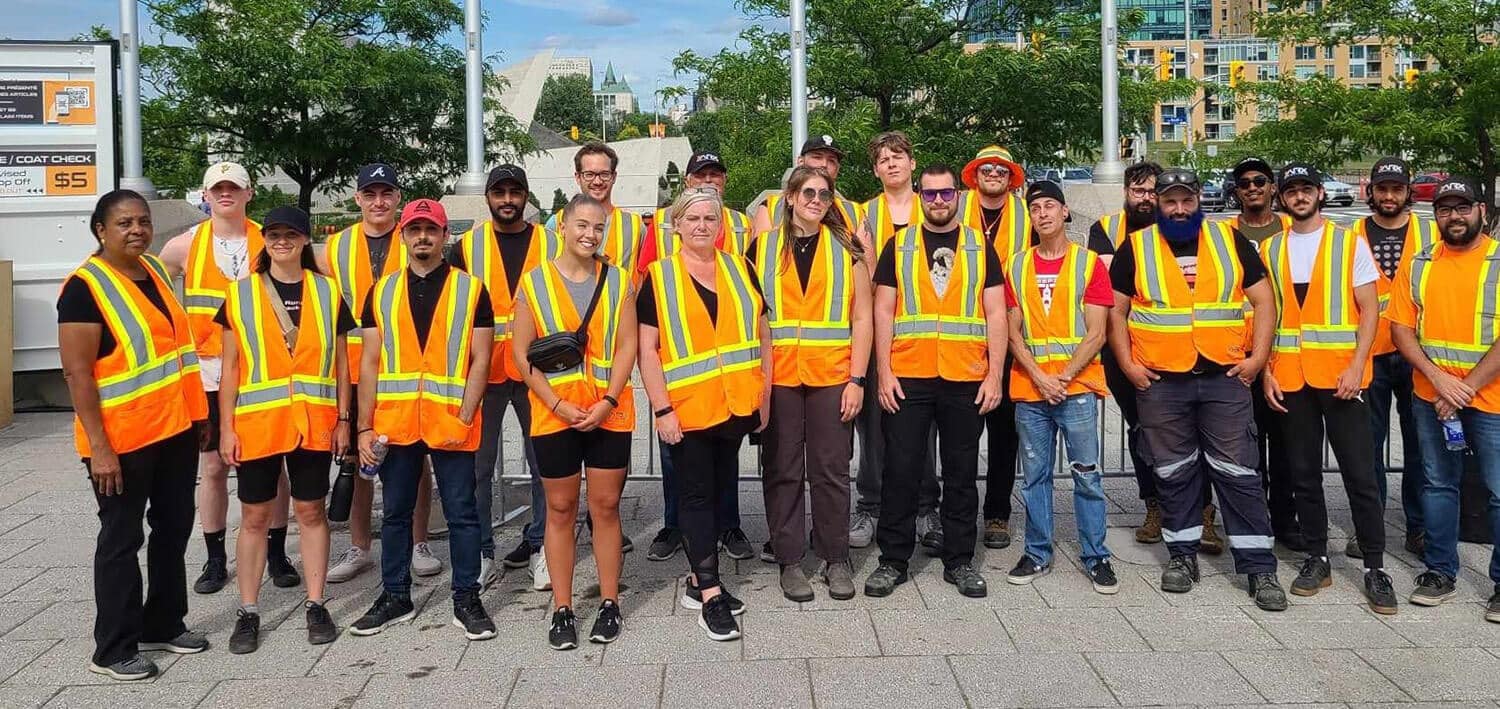
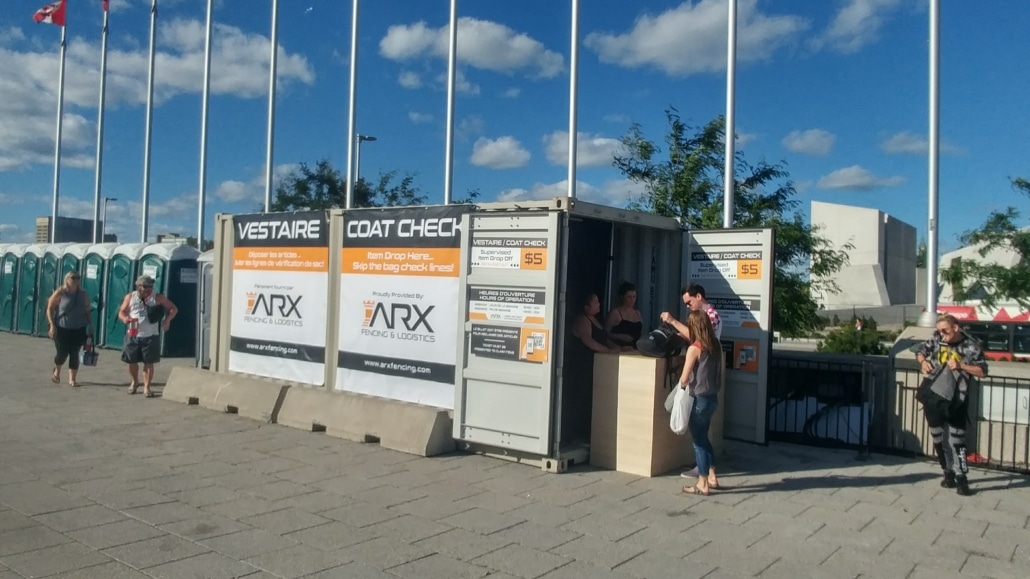
ARX Fencing and Logistics supports site logistics planning across Ottawa, Nepean, Kanata, Orleans, and surrounding communities. The company’s services include temporary fencing, event operations, site hardening, parking control, traffic control equipment rentals, road signs, barricade attendants, and trained labour. Coordinating these needs early can make the final setup more practical and easier to operate.
- Mark controlled entrances: Make sure staff and approved users can identify where they are permitted to enter.
- Protect movement routes: Keep pedestrian and vehicle paths organized rather than treating the fence as a standalone item.
- Coordinate equipment: Review whether barricades, concrete blocks, privacy screening, or road signs should support the fence.
- Plan for changes: Allow for adjustments if the work area, event layout, or access requirements change.
Choose the Fence Height That Supports the Whole Operation
The right temporary fencing height should make the site easier to understand, easier to manage, and better aligned with its operational needs. Four-foot fencing can be a strong choice for visibility, crowd guidance, and event separation. Six-foot fencing can provide a dependable middle ground for construction sites, events, and controlled areas. Eight-foot fencing can offer added height, privacy, and perimeter control for more restricted applications.
There is no single fence height that works for every Ottawa project. The correct decision depends on the purpose of the perimeter, the level of public exposure, the need for privacy, the site layout, and the other equipment or labour involved. When those factors are reviewed together, contractors can avoid underbuilding the perimeter or renting more fencing than the project requires.
Whether the project is in Ottawa, Nepean, Kanata, Orleans, or a surrounding community, a practical fencing plan begins with clear objectives and accurate site information. The result should be a perimeter that supports construction, event operations, public works, or site hardening from setup through completion.
—
Get the Right Temporary Fencing for Your Ottawa Project
ARX Fencing and Logistics can help contractors and project teams compare 4-foot, 6-foot, and 8-foot temporary fencing for construction sites, events, restricted areas, and controlled perimeters. From practical crowd guidance and site separation to added-height fencing, privacy screening, barricades, concrete blocks, traffic support, and site logistics, the team provides solutions built around real operating conditions. Contact ARX Fencing and Logistics for a free estimate and get a fencing plan that matches your Ottawa project’s access, visibility, privacy, and perimeter-control needs.