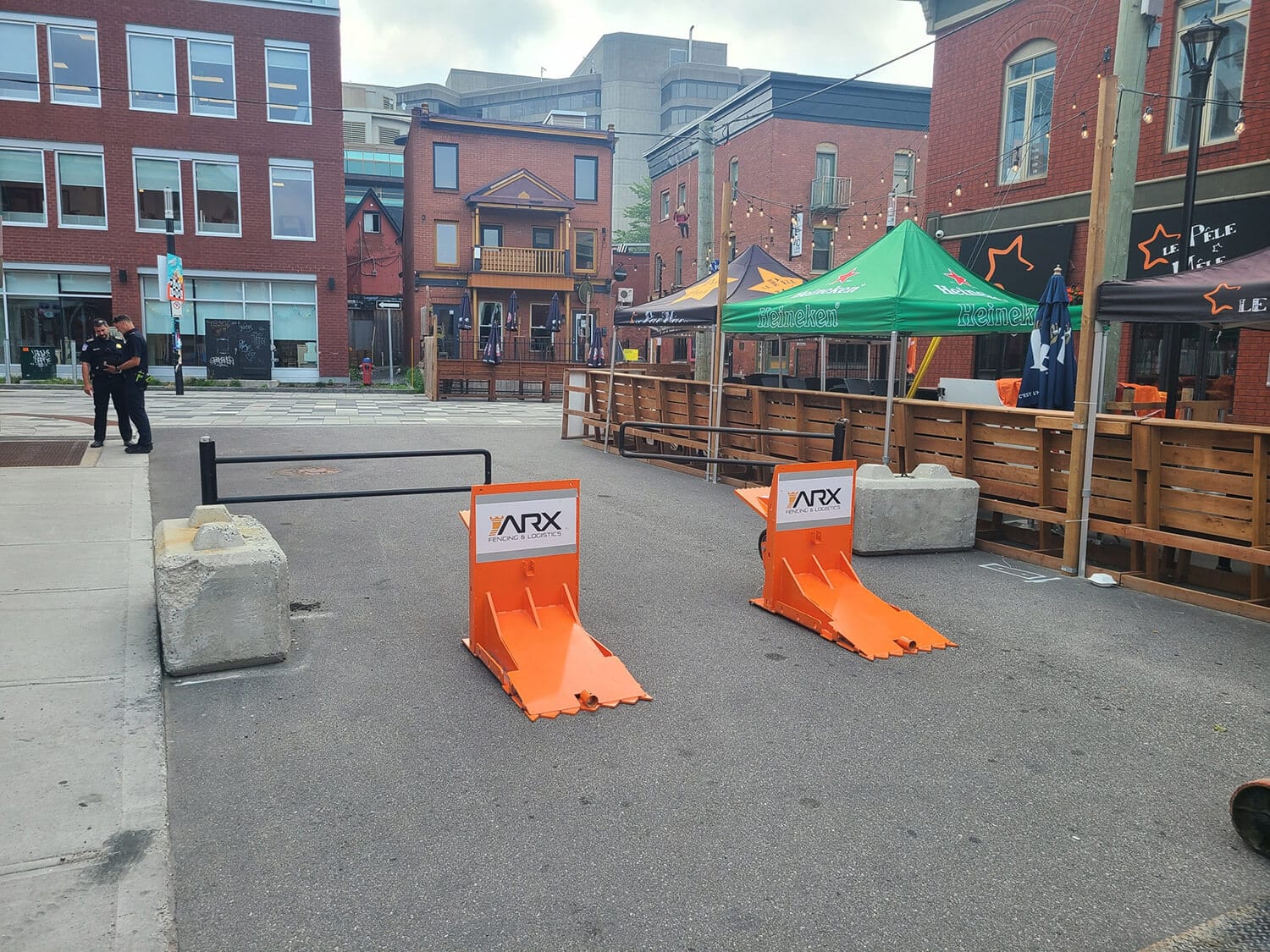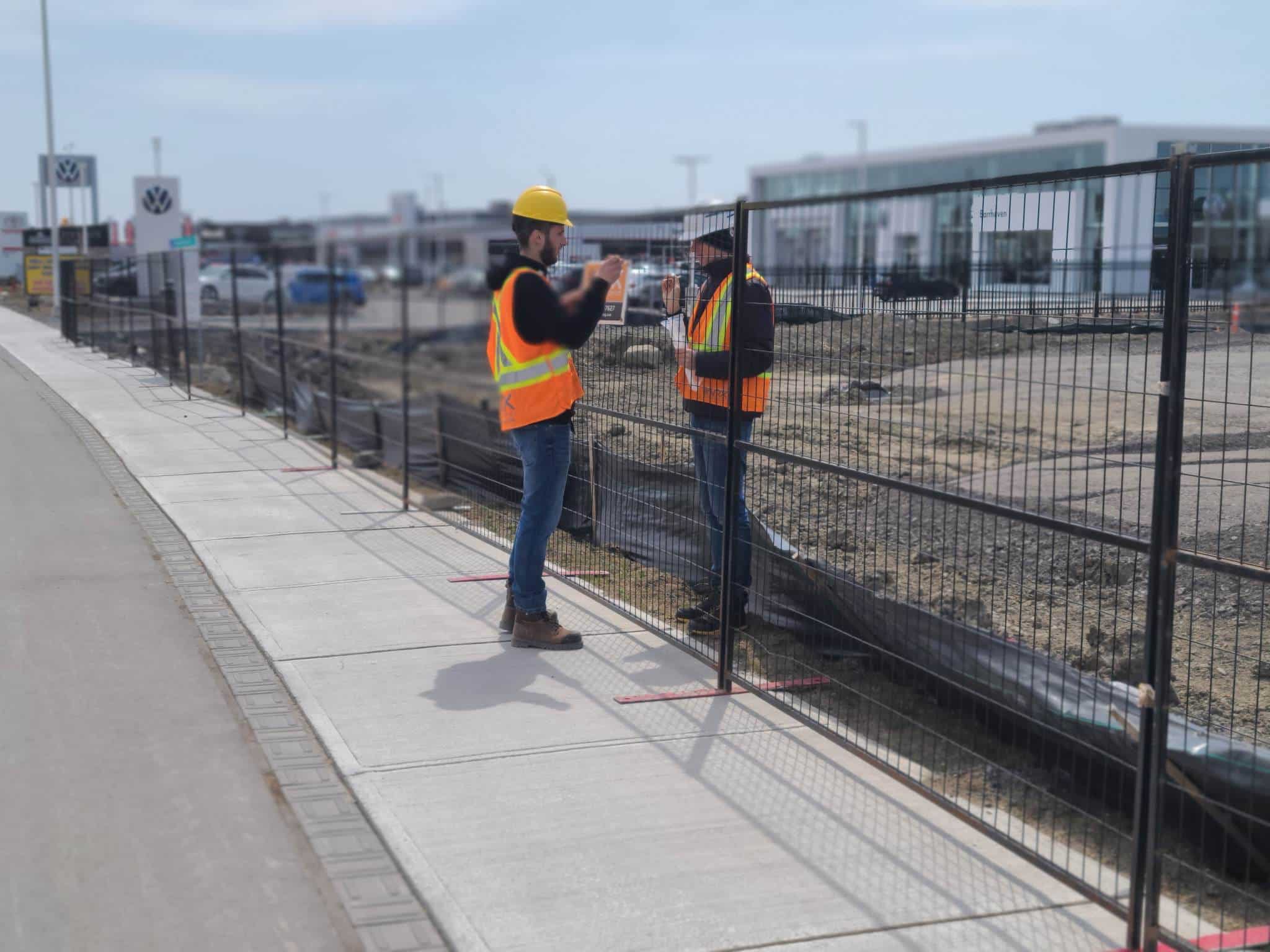


A successful show can change quickly when access points are unclear. Attendees may move toward restricted areas, staff may need a dependable route behind the stage, and a busy queue can place pressure on the front-of-stage barrier. In Ottawa, where event sites can range from compact urban spaces to larger outdoor venues, stage barricade planning needs to account for the full movement of people and equipment.
Stage barricades are designed to create a secure separation between performers, staff, and attendees. However, the barricade itself is only one part of the plan. Organizers also need to decide where people will enter, how guests will approach the audience area, which zones require restricted access, and how staff will respond if conditions change. The following seven decisions provide a practical framework for planning stage barricades for shows across Ottawa, Nepean, Kanata, Orleans, and surrounding communities.
1. Decide Exactly Where the Public Ends and the Stage Area Begins
The first stage barricade decision is the location of the public-facing boundary. A front-of-stage barricade should establish a clear line between attendees and the performance area without creating unnecessary obstacles for guests, performers, or event staff. Its position can affect sightlines, audience density, emergency movement, equipment placement, and the overall use of the event space.
Start by reviewing the stage footprint and identifying everything that needs protection or controlled access. This may include the front of the stage, side-stage areas, production access routes, staff-only zones, and spaces used for performer movement. The barrier should support the show layout rather than be treated as an isolated piece of equipment.
- Mark the front-of-stage separation before planning guest queues or other event fencing.
- Keep staff and performer access routes separate from the main audience approach wherever possible.
- Review sightlines so the barricade does not create an avoidable obstruction for attendees.
- Consider how the layout will work during arrival, the performance, and departure.
ARX Fencing and Logistics helps Ottawa event teams assess practical perimeter and access requirements for shows of different sizes. The goal is a clear, organized boundary that supports crowd control while preserving the experience guests came to enjoy.
2. Choose How Attendees Will Approach the Front of the Stage
Once the stage boundary is established, decide how attendees will move toward it. A show may have a single audience entrance, multiple entry points, general admission access, or separate routes for different ticket areas. Each arrangement creates different pressure points around the stage barricades and surrounding event perimeter.
The approach route should be easy to understand. Guests who cannot tell where to line up or which direction to follow may gather at the closest open space, creating congestion near the stage area. Crowd control barricades can help extend the event layout beyond the stage barricade by guiding foot traffic, organizing queues, and separating public routes from restricted areas.
- Decide whether attendees will approach from one direction or several directions.
- Use pedestrian barriers to guide queues toward the correct entrance or access point.
- Keep staff routes distinct from guest pathways where equipment or performers may be moving.
- Review pinch points near gates, corners, walkways, and the front-of-stage area.
Strong event operations connect the stage barricade plan with queue and perimeter planning. ARX Fencing and Logistics provides fencing and barricade solutions that help event organizers create more orderly movement through the venue. This can make entry easier for guests while giving staff a clearer view of the audience approach.
3. Separate Public, Staff, Performer, and Service Access
Shows often involve several groups using the same event space. Attendees need a straightforward public route. Staff may need access to restricted areas. Performers and their teams require controlled movement around the stage. Service personnel may need to reach equipment or operational areas without crossing through the audience.
These routes should be identified before the stage barricades are installed. When public and restricted access overlap, even a well-positioned front-of-stage barrier may not provide enough control. The wider event perimeter, temporary fencing, VIP fencing, and crowd control barricades may all play a role in clearly defining zones.
- Identify every staff-only and performer access point before the event opens.
- Use clearly defined barriers to distinguish public areas from restricted zones.
- Keep service movement away from active audience queues where practical.
- Confirm who is responsible for monitoring each controlled access point.
VIP fencing can help create polished, clearly defined VIP areas or restricted zones, while temporary fencing may be appropriate where stronger separation is needed. The right combination depends on the site layout, event requirements, and appearance expected by the organizer. ARX Fencing and Logistics supports event teams with practical fencing and logistics planning across the Greater Ottawa Area.
4. Plan the Staff Position Behind the Stage Barricade
A stage barricade is most effective when the space behind it is planned as carefully as the audience side. Staff may need to observe crowd conditions, communicate with event personnel, assist with access, or respond to a changing situation. If the area behind the barricade is too narrow, blocked, or shared with unrelated activity, staff may not be able to work effectively.
Review how much room is needed behind the barrier for staff movement and operational visibility. Avoid placing equipment, cases, temporary structures, or unrelated materials in a way that reduces the usable access route. The stage barricade should create a dependable separation without becoming a barrier to the people responsible for managing the area.
- Provide enough working space for staff to move along the rear of the barricade.
- Keep important access points visible and free from unnecessary obstructions.
- Confirm how staff will communicate with event operations and other access teams.
- Plan for changes in crowd density during opening acts, headline performances, and exits.
Trained labour and event support can help with the practical side of setup and operations. ARX Fencing and Logistics works with event teams to support organized fencing, barricade, and site logistics requirements. Good planning reduces confusion for staff and helps the event perimeter function as intended once attendees arrive.
5. Decide How to Manage Side Access and Restricted Zones
Front-of-stage planning should not stop at the centre of the performance area. Side access can become a weak point if attendees can move around the end of a barricade and approach a restricted area from another direction. This is especially important when the stage is positioned near a walkway, service lane, parking area, VIP zone, or other public-facing part of the event site.
Walk the full perimeter around the stage and identify where people could enter, pass behind, or reach a restricted area. Temporary fencing, crowd control barricades, VIP fencing, or concrete blocks may be considered depending on the required separation and the surrounding site conditions. Each product serves a different purpose, so the selection should follow the access problem rather than a one-size-fits-all approach.
- Check both ends of the stage barricade for open routes into restricted areas.
- Identify nearby parking, pedestrian, service, and delivery routes that may affect access.
- Use appropriate fencing or barriers to close gaps without creating confusing detours.
- Review the perimeter again after installation to confirm that the intended boundary is clear.
Concrete blocks can support traffic management, access control, and temporary site hardening where a heavier physical separation is needed. Temporary fencing can define restricted areas, while crowd control barricades can guide pedestrians. ARX Fencing and Logistics can help event organizers connect these products to the practical needs of the Ottawa show site.
6. Coordinate Stage Access With Queues, Parking, and Traffic Movement
Audience access to a show does not happen only inside the performance area. Guests may arrive through parking areas, sidewalks, road closures, drop-off locations, or designated queue zones. If these routes are not considered during stage barricade planning, pressure can build well before attendees reach the front of the stage.
Event operations should connect the stage layout with the broader site logistics plan. This may involve crowd control barricades for queues, fencing for restricted areas, parking control for vehicle movement, or traffic support around an event entrance. Where a show affects roads or public access, organizers may also need a Traffic Control Plan and suitable road closure equipment.
- Map the route from parking or arrival areas to the event entrance and audience space.
- Keep vehicle movement separate from pedestrian queues wherever possible.
- Use barricades and fencing to prevent queues from spreading into traffic routes.
- Review how guests will leave the site after the show, not only how they will enter.
ARX Fencing and Logistics specializes in site logistics for Ottawa events, including traffic-focused planning, fencing, barricades, parking control, and related support. Coordinating these elements early can make the stage area easier to manage because the audience arrives through a more organized system.
7. Build a Setup and Change Plan Before Show Day
Even a carefully designed stage barricade plan can be affected by a late layout change, revised access requirement, weather condition, delayed delivery, or an unexpected site constraint. Organizers should decide in advance how changes will be assessed and who has authority to approve adjustments.
A setup plan should account for installation timing, equipment placement, access for the crew, final inspection, and any changes between setup and show opening. If the event includes multiple performances or changing audience zones, the barricade and access plan should be reviewed as the schedule develops.
- Confirm the stage, audience, staff, and restricted-zone layout before installation begins.
- Allow time to inspect barricade connections, alignment, access gaps, and surrounding routes.
- Identify who will coordinate changes between event operations, site logistics, and access staff.
- Keep a practical contingency plan for adjustments that do not compromise the intended separation.
Professional support can simplify the process by bringing equipment planning, setup knowledge, and site awareness together. ARX Fencing and Logistics provides fencing, barricades, event operations, trained labour, and logistics support for projects across Ottawa, Nepean, Kanata, Orleans, and surrounding communities. Early coordination gives the event team more time to resolve access issues before guests arrive.
A Clear Access Plan Supports a Better Show Experience
Stage barricade planning is ultimately about more than placing a heavy-duty barrier in front of a performance area. It is about creating a clear relationship between the stage, the audience, staff, performers, queues, restricted zones, parking areas, and traffic routes. When those decisions are made together, guests can move with less confusion and event staff have a more organized environment to manage.
For Ottawa shows, the best plan is the one that reflects the actual site. A compact event may need carefully positioned crowd control barricades and a defined stage boundary, while a larger outdoor show may require a broader combination of stage barricades, temporary fencing, VIP fencing, parking control, concrete blocks, and traffic support. Reviewing the full access picture before setup helps prevent gaps and avoidable last-minute changes.
Whether your event is in Ottawa, Nepean, Kanata, Orleans, or a nearby community, begin with the seven decisions above. Define the public boundary, guide the audience approach, separate access types, protect staff working space, secure side routes, coordinate traffic movement, and prepare for changes. These steps create a stronger foundation for safe, organized event operations.
—
Plan Your Ottawa Show With ARX Fencing and Logistics
ARX Fencing and Logistics helps event organizers plan practical stage barricade and access solutions for shows throughout Ottawa and the surrounding area. From heavy-duty stage barricades and crowd control barricades to temporary fencing, VIP fencing, parking control, traffic support, trained labour, and site logistics, our team helps connect the right equipment to the way your event will operate.
Contact ARX Fencing and Logistics for a free estimate and discuss your stage layout, audience routes, restricted areas, queues, parking needs, and traffic requirements. With organized planning before show day, your team can create a clearer perimeter and a more controlled experience for performers, staff, and attendees.