

Preparing for more predictable, safer road closures in the National Capital Region
Every road closure is a logistical puzzle: protecting workers and the public, keeping traffic moving, and meeting municipal requirements. In Ottawa and neighbouring communities like Nepean, Kanata, and Orleans, increasing construction activity, larger public events, and higher expectations for safety and communication are changing how closures are planned and executed. Understanding the trends that will shape road closures over the next several years helps project managers, event planners, and municipalities reduce risk, avoid fines, and deliver reliable operations.
Why these trends matter for Ottawa projects
Road closures in the Ottawa area touch many stakeholders: residents, transit agencies, emergency services, businesses, and contractors. Small changes—better signage, different barricade types, or a revised traffic control plan—can speed setup, reduce delays, and limit complaints. Planning around future trends means projects are better equipped to meet regulatory expectations while protecting budgets and timelines.
Key operational priorities to keep in mind:
- Permit and compliance readiness: municipal rules evolve; applications and Traffic Control Plans must be accurate and timely.
- Traffic flow and multimodal access: closures must consider cars, buses, cyclists, and pedestrians—especially near transit routes in Ottawa.
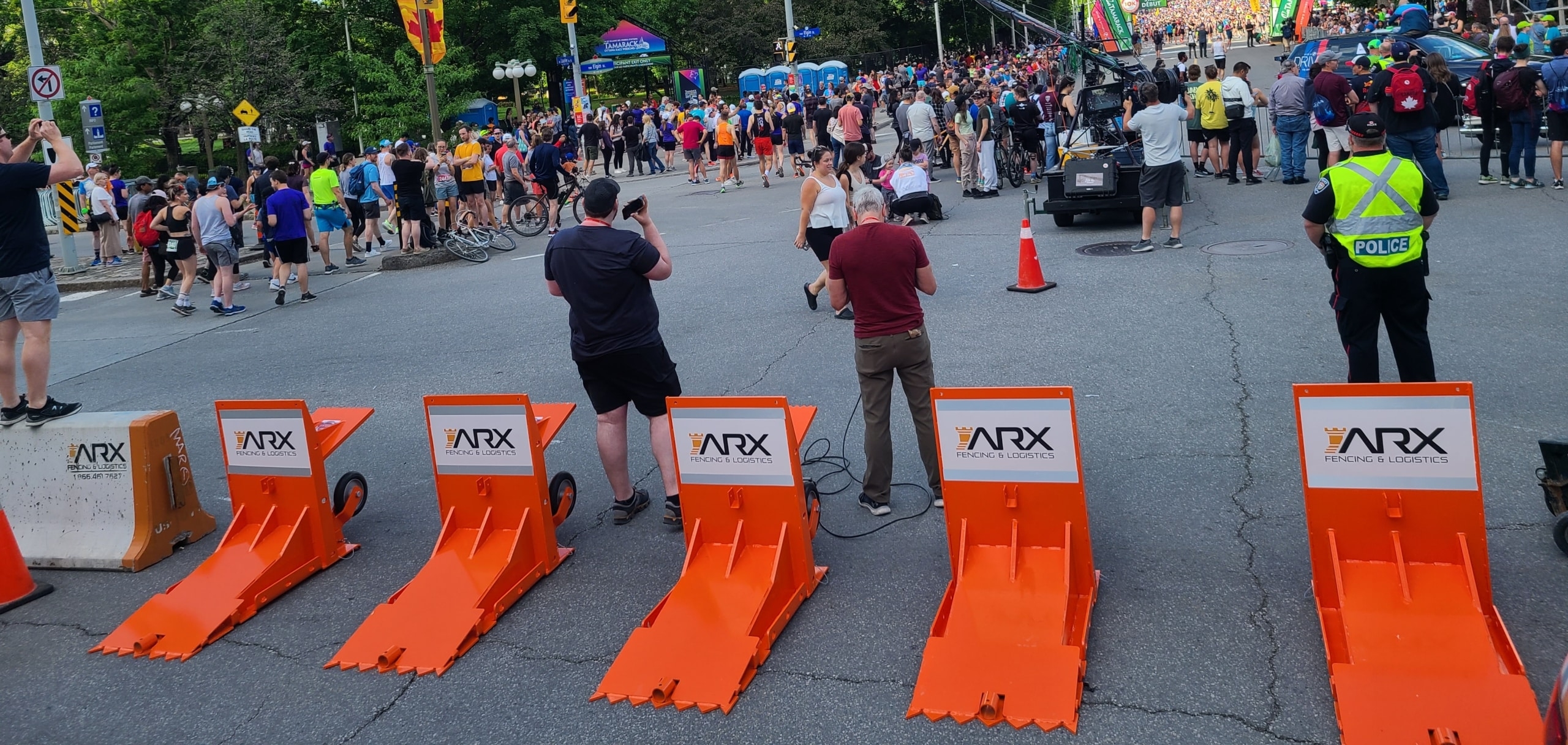
- Site security and crowd control: events and urban works need layered perimeters to prevent unauthorised access while keeping sightlines and egress clear.
- Trained staff and equipment availability: skilled barricade attendants and reliable rental equipment reduce incidents and setup time.
11 road closure trends you should watch for
The following trends reflect operational changes, technology, and regulatory shifts that will affect how temporary road closures are planned and executed across Ottawa, Nepean, Kanata, Orleans and surrounding communities. Each trend includes practical implications for contractors, event teams, and municipal planners.
- Digital traffic control planning and permit integration. Municipalities are moving toward online permit platforms and digital submissions for Traffic Control Plans. Expect systems that allow real-time feedback, faster approvals, and integration with GIS data for precise closure mapping.
Operational impact: save time on approvals, reduce rework, and rely on standardized digital plans that match municipal templates.
- Modular, reusable barrier systems. Lightweight, modular fencing and interlocking barricades that stack and deploy quickly will become more common. These systems reduce labour time and storage needs while remaining durable for repeated use.
Operational impact: faster setup and teardown for both short-term work zones and multi-day events, with lower transport costs.
- Integrated site logistics with traffic control plans. Road closures will be planned together with site hardening and on-site material staging. Coordinated plans consider delivery windows, parking control, and pedestrian detours to minimize disruption.
Operational impact: fewer traffic conflicts, more predictable deliveries, and improved safety for crews and the public.
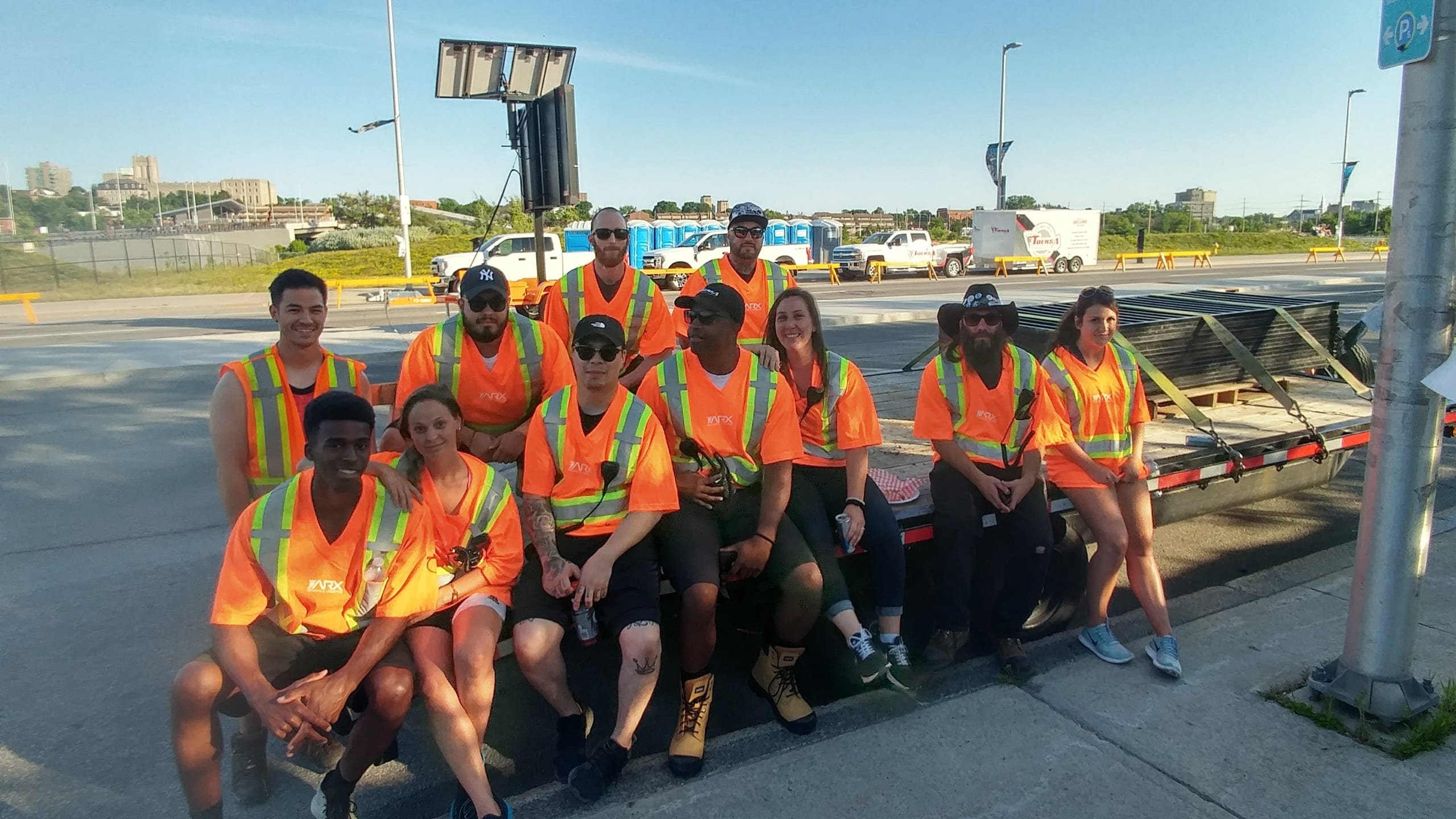
- Higher standards for trained barricade attendants and traffic control staff. Labour is central to safe closures. Expect stronger requirements for certified attendants who manage access points, maintain clear sightlines, and handle on-site communications.
Operational impact: improved crowd flow at events, fewer near-misses, and smoother communication with emergency services.
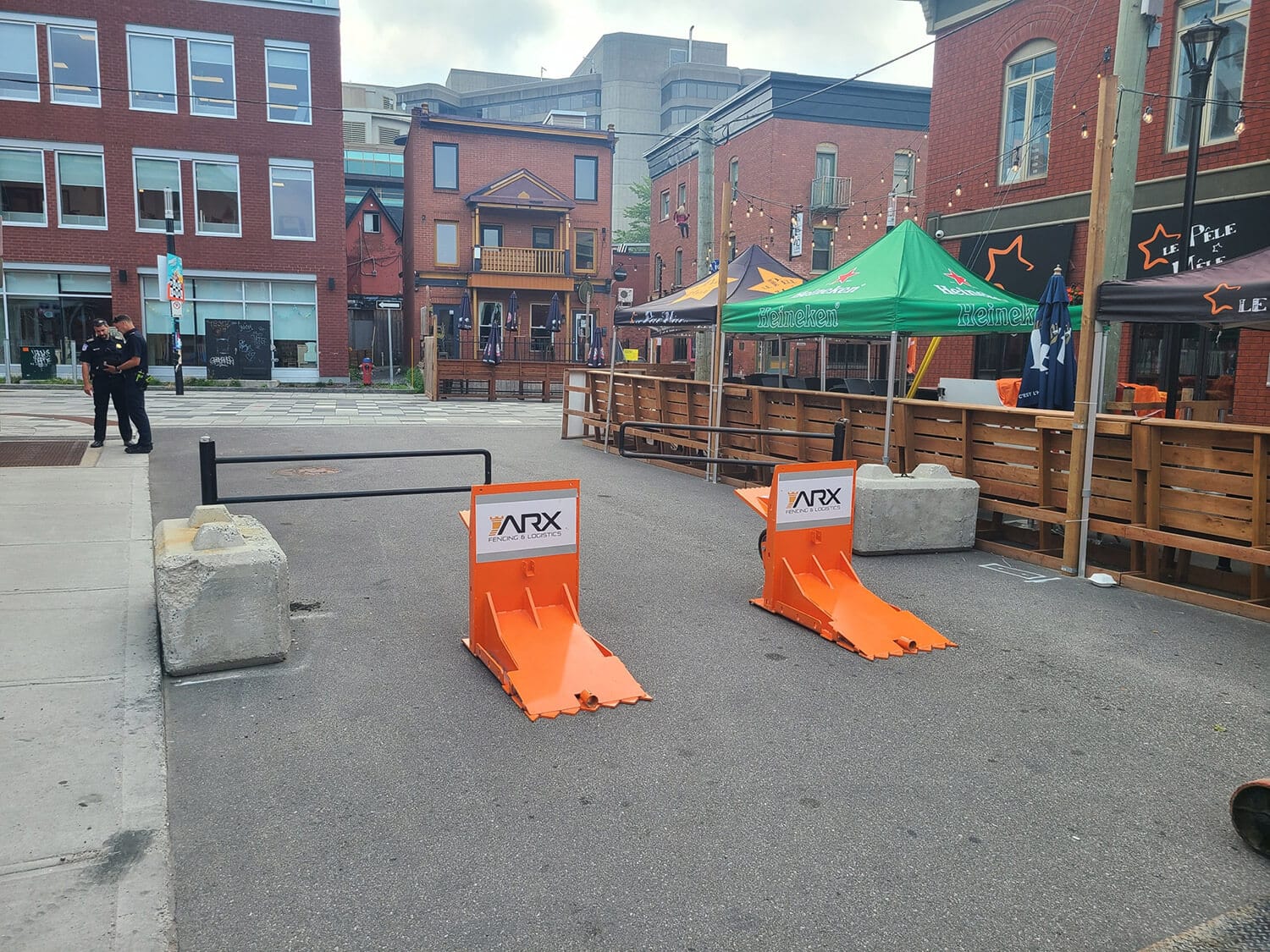
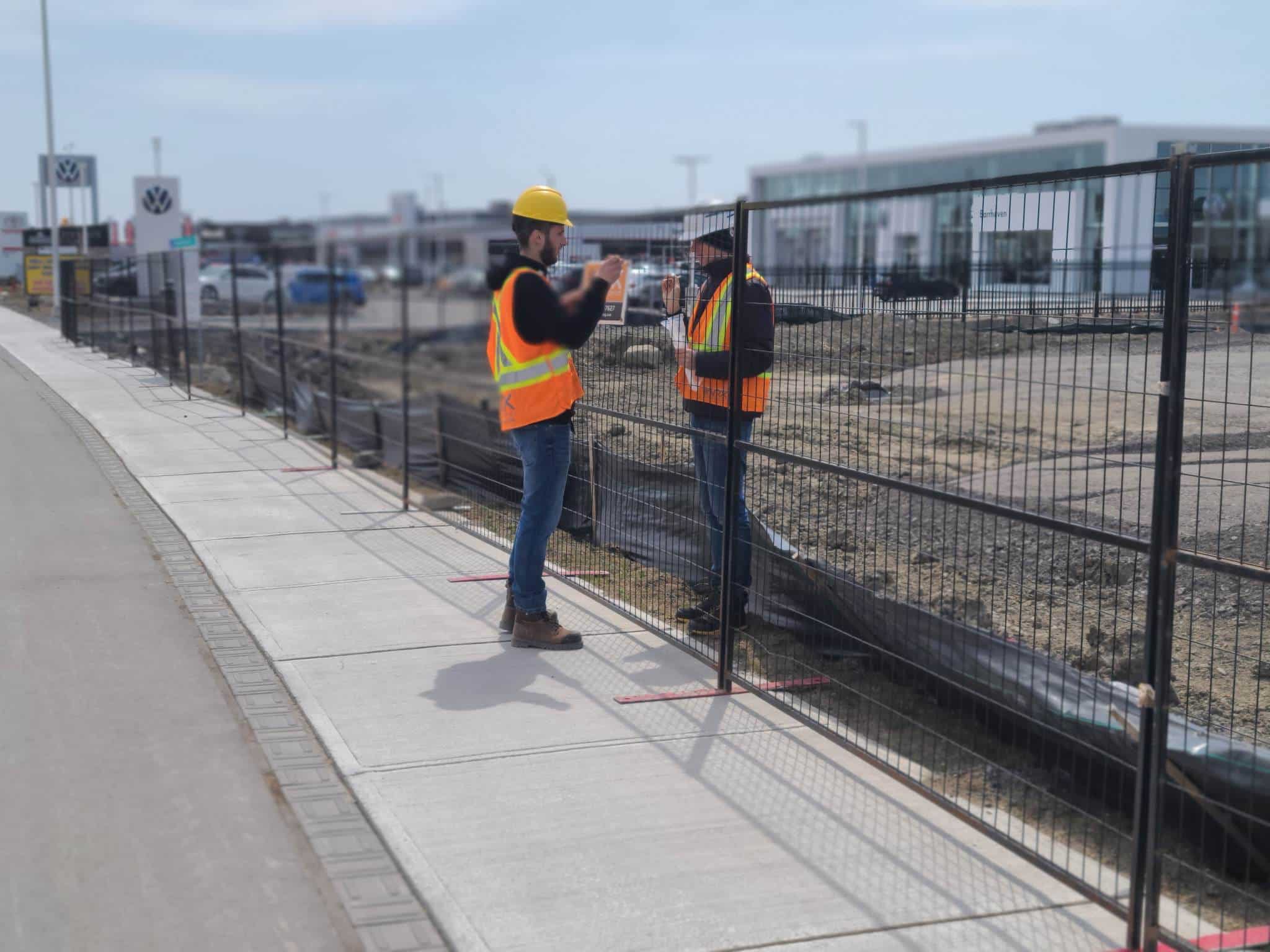
- Greater focus on site hardening and perimeter security. Theft and vandalism remain concerns for construction sites and event perimeters. Road closures will be paired more often with temporary fencing, privacy screening, and concrete block anchoring to deter unauthorised entry.
Operational impact: reduced downtime from theft, easier enforcement of restricted areas, and clearer separation between work zones and public space.
- Sustainability and low-impact materials. Municipal procurement and community expectations are increasing demand for recyclable components, lower-emission transport, and reduced waste during temporary works.
Operational impact: choose fencing and barricade options that balance durability with environmental considerations to align with municipal goals and public expectations.
- Improved public communication and digital signage. Real-time digital signage, mobile alerts, and clear online closure maps will be used more frequently to notify residents, transit agencies, and businesses about changes to traffic patterns.
Operational impact: fewer complaints and better traffic compliance when closure times and detours are communicated effectively.
- Temporary closures that support active transportation. With Ottawa promoting cycling and walking, some closures will be designed to maintain or create safe active-transport routes rather than fully blocking corridors.
Operational impact: closures planned with protected bike lanes and pedestrian bypasses reduce conflict and support multimodal access during works or events.
- Sensor-driven and automated monitoring of closures. IoT sensors, temporary cameras, and automated alerts can monitor barricade integrity, gate access, and unexpected vehicle or crowd movements in real time.
Operational impact: quicker response to breaches or changes, better incident records, and reduced need for continuous on-site staffing when remote monitoring is effective.
- Tighter permitting and compliance checks. Municipalities in the National Capital Region are tightening enforcement on improper setup, inadequate signage, and failure to maintain emergency access. Expect more spot checks and fines for non-compliance.
Operational impact: ensure Traffic Control Plans are current, signage meets standards, and access for emergency vehicles is preserved at all times.
- Design for multi-modal traffic flow and accessibility. Accessibility considerations—clear ramps, audible cues, and accessible detour routes—will become standard in closure planning to comply with evolving codes and public expectations.
Operational impact: closures that incorporate accessibility planning reduce legal risk and improve the experience for all road users, especially near high-footfall areas and transit stops.
Practical steps to prepare for future road closure demands
Knowing the trends is one thing; putting them into practice is another. Here are practical steps project leads and event planners in Ottawa and surrounding communities can take right now to adapt:
- Work with vendors who provide both equipment and trained personnel. Combining quality crowd control barricades, temporary fencing, and certified attendants simplifies coordination.
- Use modular and tested fencing systems to shorten setup times and ensure predictable staging and storage.
- Integrate Traffic Control Plans with site logistics early—coordinate delivery windows, staging, and consultation with transit and emergency services.
- Document compliance: keep digital copies of permits, photographs of setup, and records of staff training and certifications available for inspections.
Moving forward with safer, smarter road closures in Ottawa and nearby communities
Road closures will keep evolving as technology, standards, and public expectations change. Project managers and event teams that adopt digital planning tools, modular barrier systems, trained labour, and stronger site security will see fewer delays, better safety outcomes, and smoother approvals from municipal authorities. Whether the challenge is a downtown lane closure, a neighbourhood utility shutdown, or a large public event in Kanata or Orleans, future-ready planning reduces risk and keeps communities moving.
—
Get reliable road closure and traffic control support from ARX Fencing and Logistics
When your project needs dependable road closure solutions in Ottawa, Nepean, Kanata, Orleans or surrounding communities, ARX Fencing and Logistics offers the equipment and trained personnel to execute safe, compliant operations. From crowd control barricades, stage barricades, concrete blocks and temporary fencing to Traffic Control Plans, trained barricade attendants, site hardening and full site logistics, ARX Fencing and Logistics helps keep events, jobsites, and public works organized and secure. Contact ARX Fencing and Logistics to discuss how these trends affect your next closure and to get a free estimate tailored to your site needs.