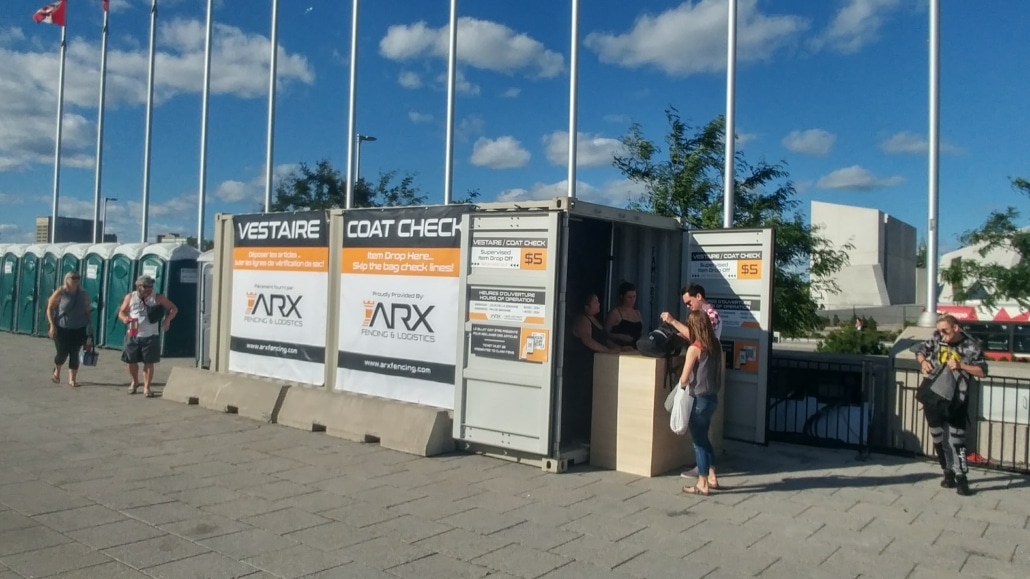


When a project needs more than visual separation, concrete barriers can provide a practical way to define space, guide movement, and strengthen temporary site protection. In Ottawa, construction teams, event organizers, municipalities, and public works planners often need a dependable physical solution for busy areas where people, vehicles, equipment, and changing site conditions must be managed carefully.
Concrete barrier delivery may be worth considering when a project requires a sturdy boundary, controlled vehicle access, or a clearly separated work zone. The right setup depends on the project layout, traffic needs, pedestrian movement, duration, and the type of support required on site. ARX Fencing and Logistics provides concrete blocks along with fencing, barricades, traffic support, and site logistics services for projects across Ottawa, Nepean, Kanata, Orleans, and surrounding communities.
What Makes Concrete Barriers Useful for Ottawa Projects?
Concrete blocks are a practical site logistics product for projects that need a substantial physical separation. Unlike a visual sign or lightweight temporary marker, a concrete block can help define a boundary between vehicles, pedestrians, equipment, and restricted areas. This makes it useful for projects where the perimeter must be easy to identify and remain in place during active operations.
Concrete barriers may be used on their own or as part of a larger setup that includes temporary fencing, crowd control barricades, road closure barricades, traffic equipment, or trained attendants. Choosing the right combination is important because a barrier is only one part of an effective site plan. The placement must support safe movement, clear access points, and practical day-to-day operations.
- Physical separation: Concrete blocks can help separate work areas from vehicle lanes, pedestrian spaces, or public areas.
- Clear site organization: A visible and substantial boundary can make it easier for crews and visitors to understand where access is permitted.
- Flexible project planning: Concrete blocks can be considered for changing layouts, temporary work zones, and short-term site requirements.
- Support for traffic control: When combined with road signs, barricades, and traffic planning, concrete barriers can contribute to a more organized closure or controlled area.
1. Construction Sites Near Active Roads or Public Areas
Construction sites in Ottawa often operate beside active roads, sidewalks, parking areas, businesses, or public spaces. These locations can create complicated logistics, particularly when vehicles need regular access while pedestrians and members of the public must remain outside the work zone. Concrete barrier delivery may be appropriate when the project needs a strong, visible separation between construction activity and surrounding movement.
Concrete blocks can help establish the edge of a work area and make the limits of the site easier to recognize. They may be considered for areas where construction vehicles enter and leave, where materials are staged, or where the work zone changes as the project progresses. They can also work alongside temporary fencing to create a more complete perimeter for construction sites and public works projects.
Before delivery, the construction team should consider the location of access points, vehicle turning areas, pedestrian routes, emergency access requirements, and the amount of space needed for installation. A barrier plan should support the work rather than create new obstacles for crews or the public. ARX Fencing and Logistics can help connect concrete blocks with broader site logistics needs, including temporary fencing, barricades, traffic support, and trained labour.
2. Road Closures and Urban Roadwork
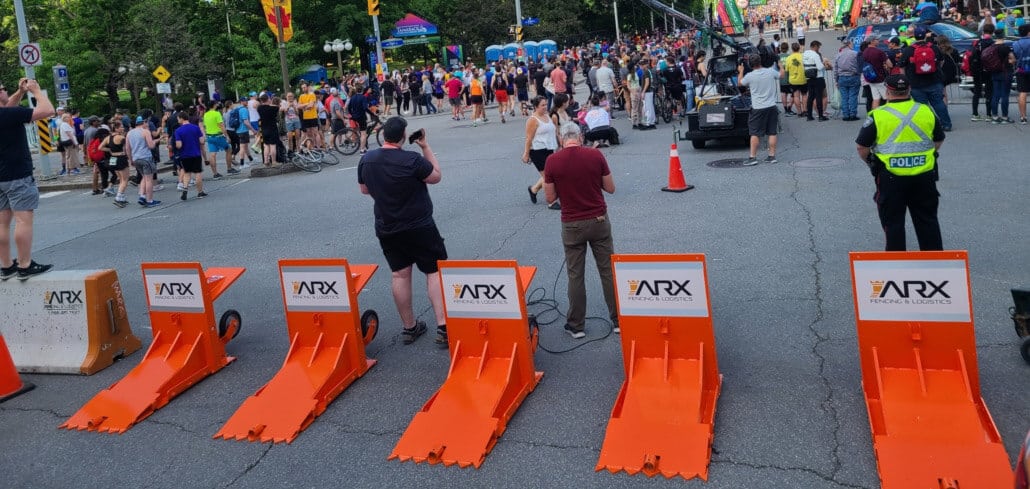
Road closures require more than placing a few signs at the end of a street. A well-organized closure must communicate restrictions, guide vehicles and pedestrians, and help keep unauthorized traffic away from active work areas. Concrete barriers may be useful when roadwork, utility work, or other public projects need a substantial boundary within or beside a roadway.
For Ottawa road closures, the barrier layout should be considered together with the traffic control plan. Concrete blocks can help define the closed section, protect a work area, or separate traffic from workers and equipment. However, they should be placed carefully so that they do not interfere with approved traffic movements, access routes, sightlines, or required signage.
- Use concrete blocks to help identify the physical edge of an active roadwork area.
- Coordinate barrier placement with road closure barricades, road signs, and other traffic control equipment.
- Review pedestrian access and make sure the setup does not force people into unsafe areas.
- Plan delivery and placement around traffic conditions, work schedules, and site access requirements.
ARX Fencing and Logistics specializes in road closure and traffic management support for construction sites and event setups in Ottawa and surrounding communities. The team can help project planners consider how concrete blocks fit into a wider site logistics plan, rather than treating delivery as an isolated task.
3. Events That Need Vehicle and Pedestrian Separation
Outdoor events can bring together large crowds, temporary structures, vendors, staff, vehicles, and changing access requirements. Even when an event is designed primarily for pedestrians, service vehicles may still need to enter for setup, deliveries, equipment movement, or breakdown. Concrete barrier delivery may be suitable when organizers need a clearly defined separation between event activity and vehicle movement.
Concrete blocks can be used as part of an event perimeter or around areas where vehicles must be kept away from attendees. They may also help define restricted service zones, loading areas, parking control points, or access routes. The goal is to support clear crowd flow while keeping operational areas organized and separate from guest spaces.
Concrete barriers are not a complete crowd management plan by themselves. Events may also require crowd control barricades, stage barricades, VIP fencing, privacy screening, temporary fencing, turnstiles, line queues, or trained attendants. The appropriate products depend on the type of event and how attendees are expected to move through the site.
- Event entrances: Concrete blocks may help guide vehicle access away from pedestrian entry points.
- Service areas: Barriers can help separate delivery and operational areas from guest zones.
- Parking control: Blocks may support the organization of temporary parking areas and restricted spaces.
- Perimeter support: Concrete blocks can be combined with fencing and barricades to create a more complete event layout.
ARX Fencing and Logistics supports event operations across Ottawa, Nepean, Kanata, Orleans, and surrounding communities. Its event operations work includes secure perimeters, fencing solutions, turnstiles, line queues, and crowd control support. Adding concrete blocks to the planning conversation can help organizers address both the guest experience and the practical needs of event crews.
4. Public Works and Municipal Projects
Public works projects often take place in areas that remain important to the community while work is underway. Streets, public spaces, access routes, and parking areas may need to stay partially open even as crews complete repairs, improvements, or other planned work. Concrete barrier delivery can be considered when a municipal or public works project needs a visible and durable way to organize the work zone.
A concrete block layout may help separate workers and equipment from public movement. It can also assist with defining temporary restricted areas, protecting staging zones, and making changes to the site easier for visitors to understand. In a public-facing project, clear organization matters because people may be unfamiliar with the site and may not know which routes are open.
Project managers should consider how barriers will affect pedestrian routes, vehicle access, deliveries, nearby businesses, and the movement of emergency or service vehicles. A useful setup should be practical for the entire project period, not only on the first day. Ongoing site logistics may be needed if the work zone changes, access points move, or additional fencing and barricades become necessary.
ARX Fencing and Logistics provides site logistics support for Ottawa projects, with a focus on traffic control plans, traffic flow, necessary approvals, and safety. Concrete blocks can be incorporated into that planning when they are suitable for the site and the project’s operational needs.
5. Parking Control and Temporary Access Areas
Temporary parking areas can become difficult to manage when spaces are shared by event guests, construction crews, contractors, service vehicles, and the public. Without a clear layout, vehicles may enter restricted areas, block delivery routes, or reduce the space available for safe pedestrian movement. Concrete barriers may provide a practical way to mark temporary parking boundaries and control vehicle access.
Concrete blocks can help identify where parking is permitted, where vehicles should not enter, or where an access lane must remain open. They can be especially useful when a temporary arrangement needs to be visible from a distance and remain clearly defined throughout the day. Depending on the project, concrete blocks may be supported by road signs, crowd control barricades, temporary fencing, or parking attendants.
- Separate public parking from event operations or construction activity.
- Help protect delivery routes and equipment staging areas from unauthorized parking.
- Define temporary vehicle lanes and restricted spaces within a larger site layout.
- Support attendants who are guiding drivers through changing parking or access conditions.
Parking control should be planned before the barriers arrive. The project team should identify entry and exit points, turning areas, accessible routes, pedestrian crossings, and the location of signs. ARX Fencing and Logistics offers parking control, traffic control equipment rentals, road signs, barricades, and related site logistics support for Ottawa-area projects.
6. Sites That Need Stronger Temporary Hardening
Some projects need more than a basic perimeter. Construction sites, events, and public works areas may face risks related to unauthorized access, vandalism, theft, or movement through areas that are not ready for public use. Site hardening is a broader security strategy that uses physical measures to reduce these risks. Concrete blocks may be one part of that strategy when the site requires a stronger temporary boundary.
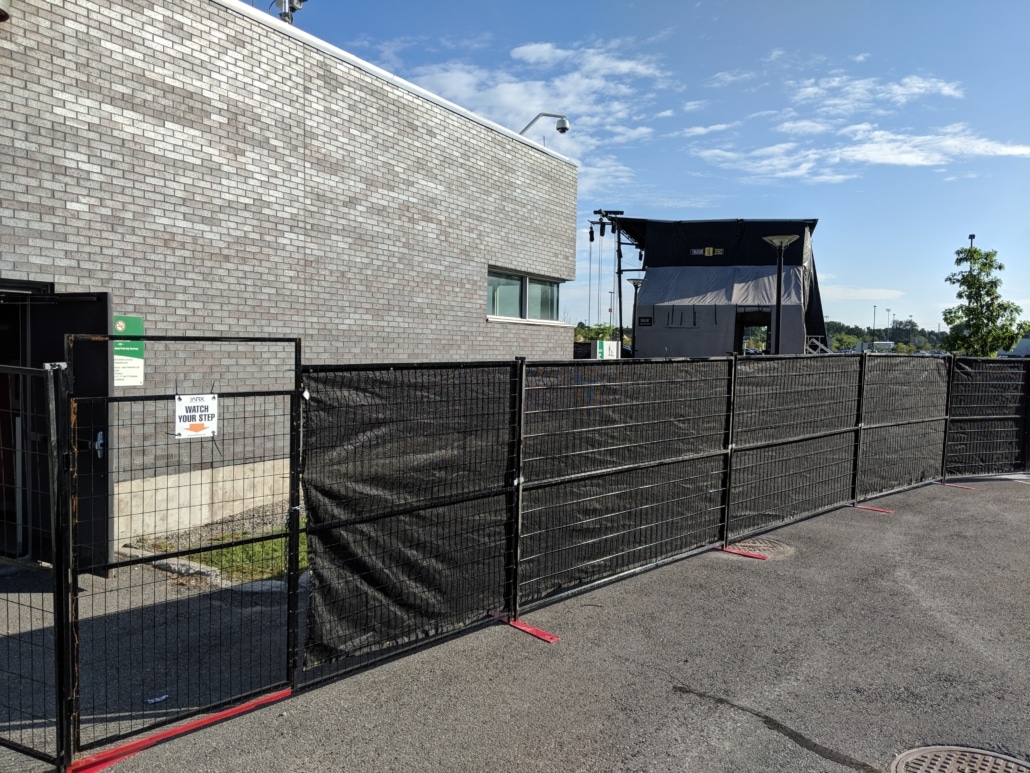
A concrete block can help reinforce the edge of a site, restrict vehicle movement, or make an access point more difficult to enter without authorization. It can also be used with temporary fencing and privacy screening when the project requires both physical separation and reduced visibility. The right combination depends on the site layout, the exposure of the area, the length of the project, and the level of access control required.
Effective site hardening starts with an assessment of vulnerabilities. Look at open access points, equipment areas, material storage zones, public approaches, vehicle routes, and sections where fencing alone may not provide the desired level of control. Then consider how barriers, fencing, monitoring, access procedures, and ongoing logistics will work together.
- Perimeter protection: Use concrete blocks and fencing to define and reinforce the boundary.
- Access control: Keep entry points limited, visible, and manageable for authorized crews.
- Vehicle restriction: Help prevent vehicles from entering areas that are not open to traffic.
- Operational follow-through: Maintain the setup as the site changes and project activities continue.
ARX Fencing and Logistics supports site hardening for Ottawa construction sites, events, and public works projects. Its approach includes physical barriers, perimeter planning, access control, monitoring considerations, and site logistics. Concrete blocks may be appropriate where the project needs a sturdy component within that overall plan.
Planning Concrete Barrier Delivery in Ottawa
Once a project team decides that concrete blocks may be suitable, delivery planning becomes an important part of the process. The location must be ready to receive the blocks, and the intended placement should be clear before delivery begins. A poorly planned delivery can create delays, interfere with traffic, or make it difficult for crews to position the barriers safely and efficiently.
Start by confirming the project’s purpose. Is the barrier intended to separate pedestrians from construction, control vehicle access, define a road closure, support event operations, or strengthen a temporary perimeter? The answer will influence placement, quantity, and the need for other products or services.
Next, review the site conditions. Consider the available delivery route, access for placement, surrounding traffic, pedestrian movement, work-zone boundaries, and any changes expected during the project. If the setup includes temporary fencing, crowd control barricades, road signs, or attendants, plan how each item will interact with the concrete blocks.
It is also important to ask how the site will operate after installation. Will vehicles need to pass through? Will the barrier layout change during different phases of the work? Will event guests need guided routes? Will attendants be required to direct traffic or parking? These questions help turn a product request into a workable site logistics plan.
Choose the Right Ottawa Site Support for the Job
Concrete barriers are most effective when they are selected for a specific operational purpose. They can help organize a road closure, strengthen a construction perimeter, control parking, separate event areas, or support a broader site hardening plan. They should be planned with the rest of the site so that the final arrangement is clear, accessible, and practical for the people using it.
Across Ottawa, Nepean, Kanata, Orleans, and surrounding communities, project conditions can vary widely. A downtown road closure may require a different setup from a construction site, public works area, or outdoor event. Reviewing the layout early can help reduce confusion, support safer movement, and avoid last-minute changes.
ARX Fencing and Logistics can help you consider concrete blocks alongside temporary fencing, crowd control barricades, stage barricades, road closure equipment, road signs, parking control, trained labour, and site logistics support. Contact the team to discuss your project requirements and request pricing for concrete blocks and related services.
—
Get Practical Concrete Barrier and Site Logistics Support from ARX Fencing and Logistics
If your Ottawa project needs a clear, sturdy boundary, concrete barrier delivery may be the right place to start. ARX Fencing and Logistics provides concrete blocks and practical support for construction sites, road closures, events, public works, parking control, and site hardening across Ottawa and the surrounding area. Contact ARX Fencing and Logistics for a free estimate and discuss the barrier, fencing, barricade, traffic, and site logistics options that can help keep your project organized and secure.