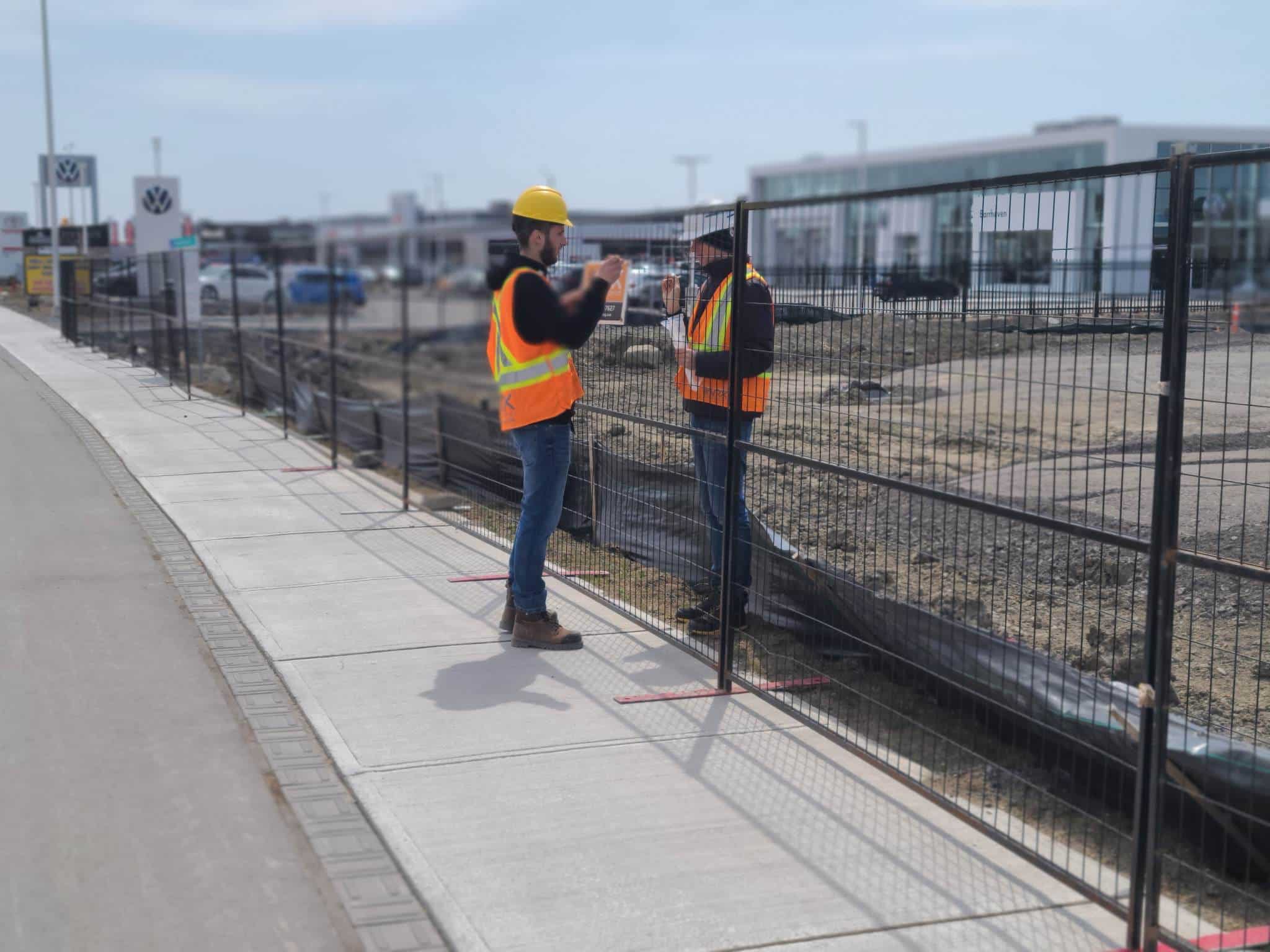


A temporary fence can do far more than mark the edge of a construction site. In Ottawa, the right fencing rental can help separate active work areas, restrict unauthorized access, guide pedestrians, protect materials, support traffic planning, and keep a changing jobsite organized. The wrong setup, however, may create gaps, obstruct access, cause unnecessary rental costs, or fail to support the way the site actually operates.
Construction managers should treat temporary fencing as part of the overall site plan rather than as a last-minute equipment order. Before renting construction fencing in Ottawa, consider the site perimeter, required level of protection, access points, privacy needs, rental duration, pedestrian movement, and coordination with other site logistics. ARX Fencing and Logistics supports construction sites, events, public works, and restricted areas across Ottawa, Nepean, Kanata, Orleans, and surrounding communities with practical fencing and logistics solutions.
1. Start With the Site Perimeter, Not Just the Fence Length
One of the first mistakes construction managers make is estimating fencing based only on the total number of linear feet required. A proper temporary fencing plan begins with how the site works. The perimeter may include irregular boundaries, corners, loading areas, pedestrian routes, vehicle entrances, emergency access points, and sections that need additional control.
Walk the full perimeter before requesting a construction fence rental in Ottawa. Identify where the fence will connect, where gates or access points will be needed, and where temporary site conditions may change throughout the project. A clear plan helps prevent under-ordering, rushed changes, and poorly positioned panels that interfere with deliveries or daily operations.
- Measure the full perimeter, including corners, setbacks, and separate work zones.
- Mark vehicle access points, pedestrian access points, delivery areas, and restricted sections.
- Identify locations where the fence may need to connect with concrete blocks, barricades, or other site logistics equipment.
- Allow for project phases that may require the perimeter to be adjusted later.
Construction fencing should support the flow of the jobsite. If workers, vehicles, subcontractors, or deliveries must repeatedly cross the perimeter, the access plan should be considered before the fencing is placed. This is especially important on active Ottawa jobsites located near public roads, occupied properties, or areas with regular pedestrian movement.
2. Choose the Right Temporary Fence Height
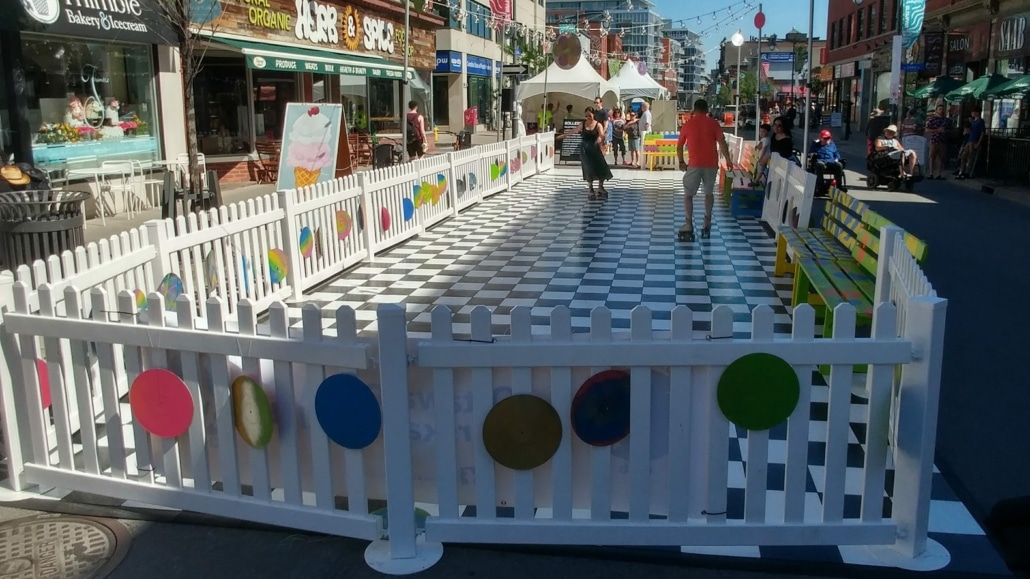
Temporary fencing is not a one-size-fits-all product. ARX Fencing and Logistics offers 4 ft, 6 ft, and 8 ft fencing options, allowing construction managers to match fence height with the needs of the site. The correct choice depends on visibility, separation, access control, privacy, and the level of perimeter protection required.
Four-foot fencing can be useful when visibility and basic separation are important. It can help define a work zone or guide movement while allowing people to see through the perimeter. Six-foot fencing provides a more substantial temporary boundary for construction sites, restricted areas, and controlled perimeters. Eight-foot fencing offers extra height for higher-security applications where stronger perimeter protection and restricted access are priorities.
- 4 ft fencing: Suitable for site separation, crowd guidance, and areas where visibility needs to be maintained.
- 6 ft fencing: A versatile option for construction sites, restricted zones, events, and controlled perimeters.
- 8 ft fencing: Appropriate for high-security applications requiring additional height and perimeter protection.
- Privacy screening: A useful addition when reducing visibility and creating a cleaner, more controlled perimeter is important.
Higher fencing is not automatically the best choice for every project. A construction manager should consider how the fence will affect visibility, supervision, access, and the surrounding area. When the site contains valuable materials, sensitive work, or areas where public visibility should be reduced, privacy screening may be an important part of the rental plan. ARX Fencing and Logistics provides durable privacy screening for temporary fencing to reduce visibility and improve perimeter control.
3. Plan Gates and Access Points Before Delivery
A secure perimeter still needs to function for the people operating inside it. Construction fencing in Ottawa should include a clear access strategy for workers, deliveries, equipment movement, inspections, and approved visitors. If the access points are not planned early, workers may move panels, create openings, or use areas that were intended to remain restricted.
Start by separating regular access from occasional access. A main entrance may need to support daily worker movement, while a larger opening may be required for deliveries or equipment. Some areas may need controlled entry during specific stages of the project. Clearly identifying these points makes the fence easier to manage and helps keep the rest of the perimeter intact.
- Choose an obvious primary entrance that is easy for authorized personnel to locate.
- Plan wider access where deliveries or larger equipment must enter and exit.
- Keep access points away from locations where they could create conflicts with pedestrian routes or traffic control needs.
- Review whether the access plan will change as construction phases progress.
Access planning also connects temporary fencing with broader site logistics. ARX Fencing and Logistics provides site logistics support focused on organized operations, traffic flow, approvals, and safety. For projects near roads, parking areas, public spaces, or active event zones, fencing may need to work alongside traffic control equipment, road signs, parking control, barricades, or trained attendants.
4. Decide Whether Privacy Screening Is Necessary
Privacy screening can be valuable when a construction site requires reduced visibility, a cleaner appearance, or stronger separation from nearby public areas. It is not necessary for every temporary fencing rental, but it should be considered when the site contains sensitive work, stored materials, restricted areas, or activity that should not be easily visible from surrounding streets and properties.
In Ottawa, construction sites may operate beside sidewalks, businesses, residential areas, public facilities, and busy roads. A standard open fence may define the perimeter but still leave the work area visible. Privacy screening adds a more controlled visual boundary and can help create a neater appearance during extended projects.
- Use privacy screening where reducing public visibility is an operational priority.
- Consider screening for long-term projects where the appearance of the perimeter matters.
- Review screening needs around restricted areas, material storage, and sensitive work zones.
- Coordinate screening with access points so entrances remain clear and practical.
Privacy screening should be selected as part of the complete fence plan, not added without considering access, visibility, and site operations. A professional assessment can help determine whether standard 4 ft, 6 ft, or 8 ft fencing is more appropriate and where screening provides the greatest benefit.
5. Match the Rental Duration to the Construction Schedule
Temporary fencing rental costs in Ottawa depend partly on how long the equipment is required. A short project, phased project, and extended construction schedule may each require a different rental approach. Construction managers should confirm the expected start date, completion date, project phases, and possible schedule changes before finalizing the rental period.
Underestimating the rental duration can create unnecessary pressure if the fence must be extended at the last minute. Overestimating the period may also affect the budget if the site no longer needs the perimeter. The most useful approach is to connect the fencing rental period with the construction schedule and review the plan when the project moves into a new phase.
- Identify when the perimeter must be in place before work begins.
- Estimate how long each work zone will remain active or restricted.
- Account for delays, phased work, and changes to access requirements.
- Ask about adjustments if the project schedule changes.
Rental duration should also reflect the purpose of the fence. A perimeter used for early site separation may need to be changed when work moves into a later stage. A fence used for site hardening or restricted access may remain necessary for a longer period. By reviewing the plan as the project develops, managers can keep the equipment aligned with actual site needs.
6. Consider Concrete Blocks and Other Site Protection Needs
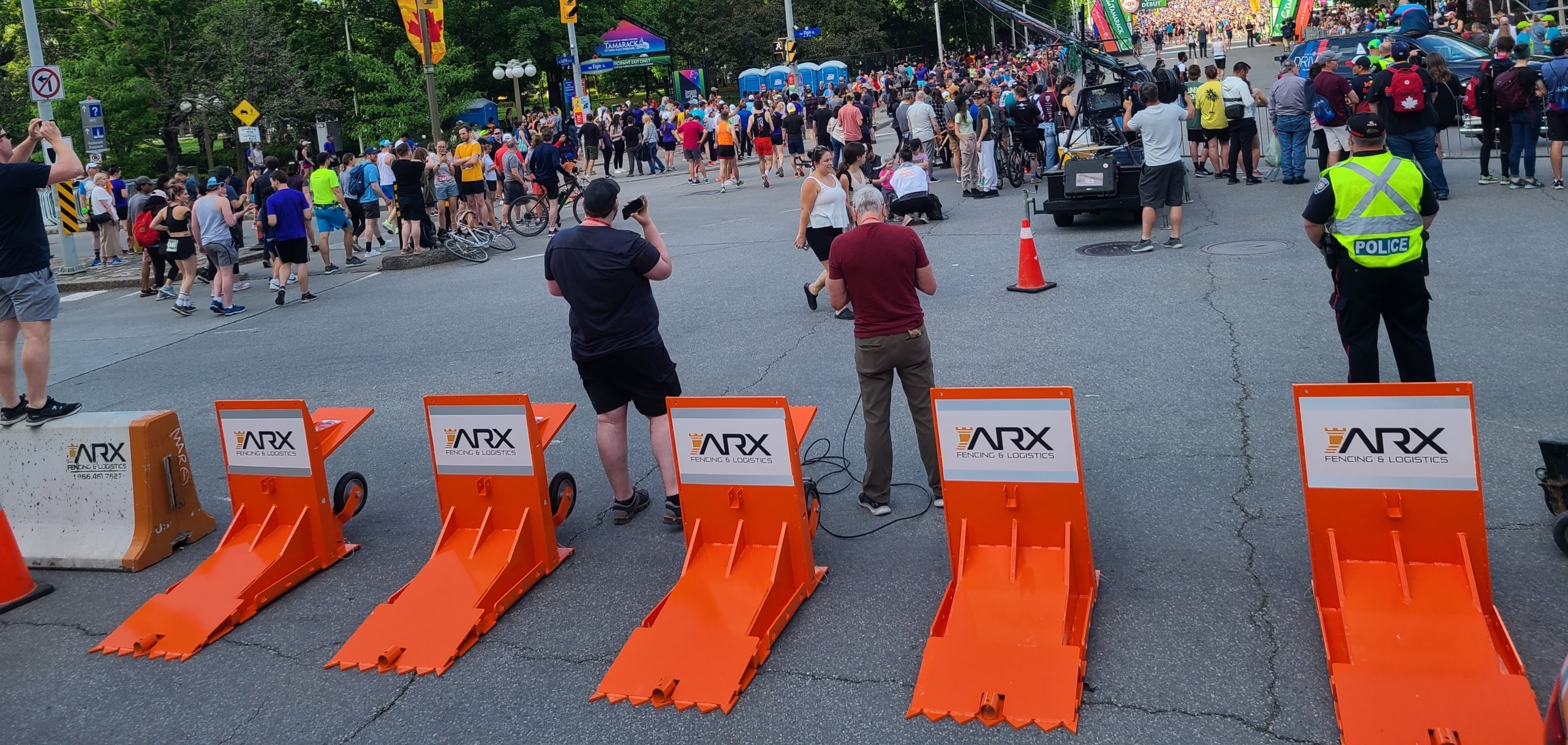
Temporary fencing is one part of a wider site protection plan. Some Ottawa projects also require heavy-duty concrete blocks or barriers for secure perimeters, traffic management, access control, temporary site hardening, or separation around work areas. The need for these products depends on the site layout, traffic conditions, public access, and the type of control required.
Concrete blocks may be appropriate where a heavier physical barrier is needed than temporary fence panels alone can provide. They can also support traffic planning around road closures, parking areas, public works, and construction sites. The important point is to consider how each product will work together instead of treating fencing, barriers, and traffic equipment as unrelated rentals.
- Use temporary fencing to define and control the perimeter.
- Consider concrete blocks where heavy-duty separation or access control is required.
- Use crowd control barricades to guide pedestrians, manage queues, or restrict specific areas.
- Coordinate fencing and barriers with traffic control equipment and road signs where site conditions require it.
ARX Fencing and Logistics offers concrete blocks, crowd control barricades, traffic support, parking control, and road closure solutions. This broader capability can simplify planning for construction managers who need fencing to work with other site logistics requirements across Ottawa and surrounding communities.
7. Plan for Pedestrian Movement and Nearby Traffic
A construction fence can affect people outside the site as much as it affects workers inside it. When a project is near a sidewalk, roadway, parking area, or public space, the perimeter should be planned with pedestrian movement and traffic conditions in mind. A fence that narrows a walkway, blocks an expected route, or creates confusion around an entrance can lead to operational problems.
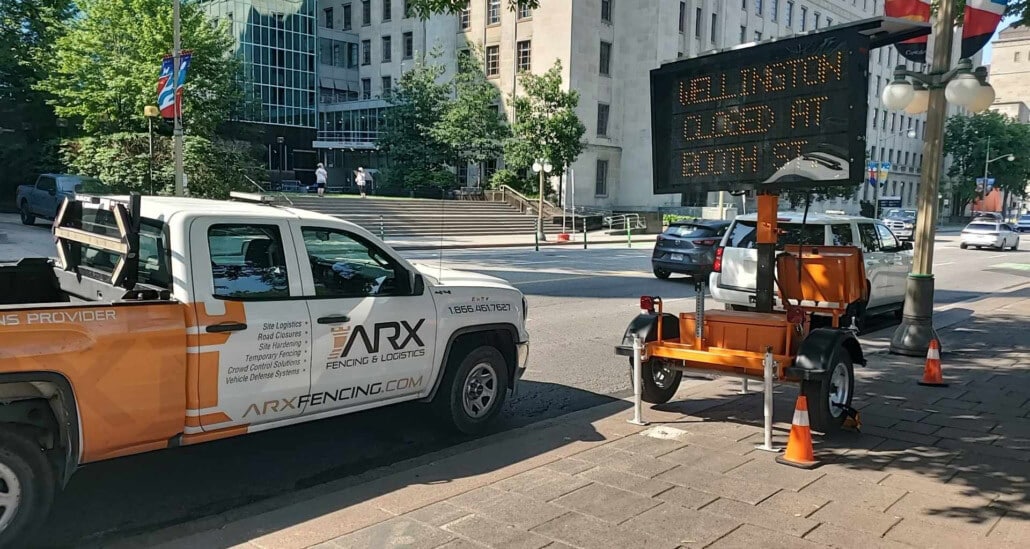
Construction managers should identify how people and vehicles move around the site throughout the day. Consider worker arrivals, deliveries, nearby businesses, public access, emergency considerations, and any road closure or traffic management requirements. In some situations, temporary fencing may need to be supported by road closure barricades, crowd control barricades, parking control, traffic equipment, road signs, or trained attendants.
- Keep pedestrian and vehicle routes clearly separated where possible.
- Use barricades to direct people away from active work zones and restricted areas.
- Review whether parking control or traffic support is needed near entrances and deliveries.
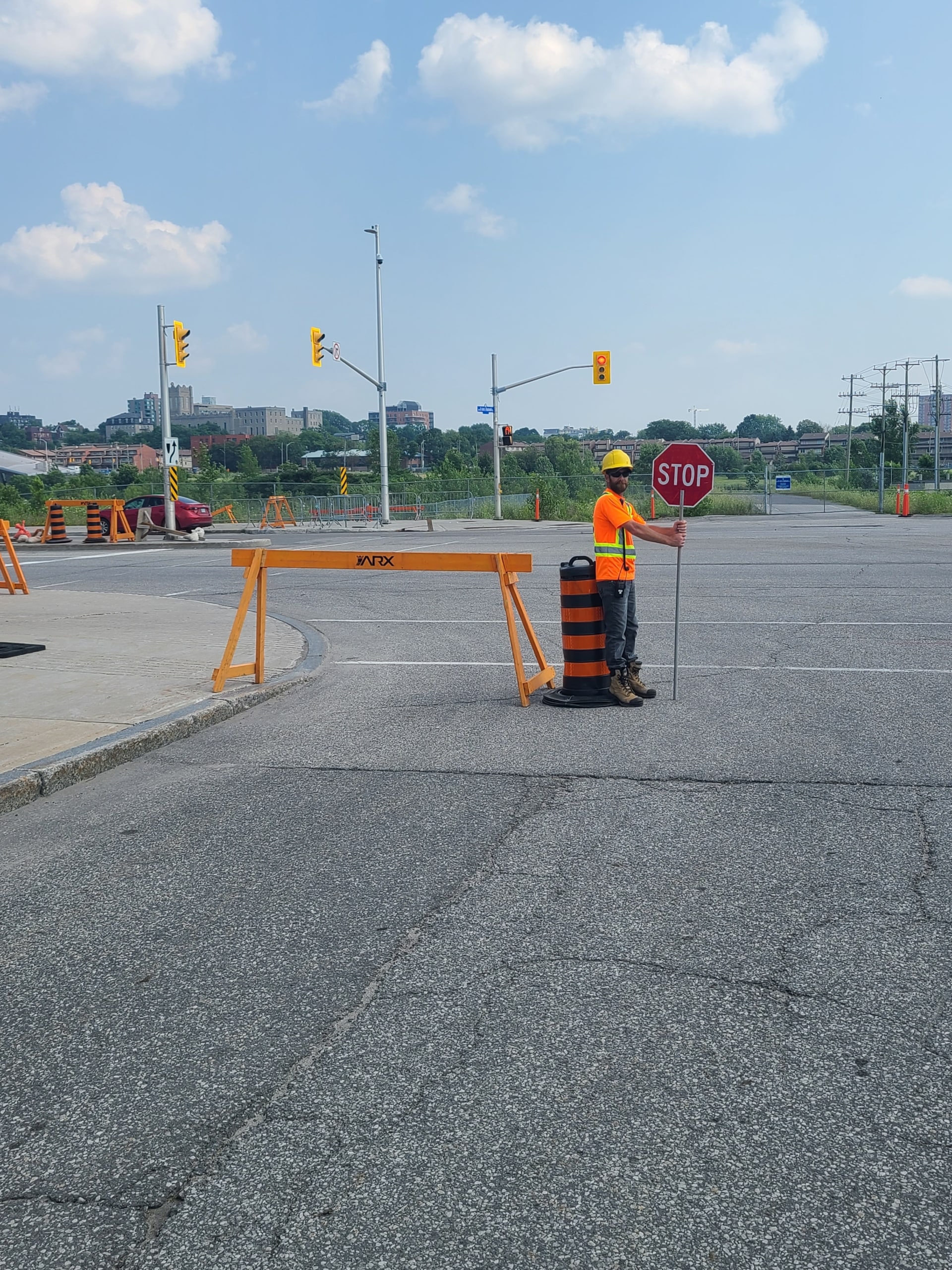
- Use trained attendants when on-site personnel are needed to support organized movement.
ARX Fencing and Logistics specializes in site logistics and traffic control planning for construction sites, events, and public works. This support helps connect the physical perimeter with the way people and vehicles actually move through the surrounding area.
8. Build Site Hardening Into the Overall Plan
Site hardening is a broader strategy for strengthening a physical location against unauthorized access, vandalism, theft, and other security concerns. Temporary fencing can form the visible perimeter, but effective site hardening also depends on access control, restricted zones, physical barriers, and ongoing site logistics.
Construction managers should identify the areas that require the most protection rather than applying the same approach to every part of the site. Storage areas, equipment zones, material delivery points, and sections close to public access may require more deliberate control. Eight-foot fencing, privacy screening, concrete blocks, or additional barricades may be useful depending on the project conditions.
- Define which areas require general separation and which require stronger access control.
- Use extra-tall fencing where additional height and perimeter protection are priorities.
- Reduce visibility with privacy screening when the site requires a more controlled boundary.
- Review the perimeter regularly as construction activity and site conditions change.
A practical site-hardening plan should remain flexible. Construction sites evolve as excavation, deliveries, structures, and work zones change. Regular reviews can help managers identify new gaps, relocate access points, and maintain an organized perimeter throughout the project.
Make the Rental Decision Before the Jobsite Is Under Pressure
The best time to plan a construction fence rental in Ottawa is before the site is active and before access problems appear. By assessing the perimeter, selecting the right fence height, planning entrances, reviewing privacy screening, matching the rental period to the schedule, and coordinating barriers with traffic and site logistics, construction managers can create a more practical and controlled work environment.
Temporary fencing should support the entire jobsite—not simply surround it. A well-planned setup helps workers understand the boundaries, helps visitors stay out of restricted areas, and gives managers a clearer way to organize changing construction conditions across Ottawa, Nepean, Kanata, Orleans, and nearby communities.
—
Plan Your Ottawa Construction Fence Rental With ARX Fencing and Logistics
ARX Fencing and Logistics provides practical temporary fencing, 4 ft, 6 ft, and 8 ft fencing, privacy screening, concrete blocks, crowd control barricades, traffic support, parking control, trained labour, and site logistics for construction sites and other controlled work areas. Our team helps construction managers connect perimeter planning with access control, site hardening, pedestrian movement, and traffic needs.
Whether your project is in Ottawa, Nepean, Kanata, Orleans, or a surrounding community, we can help you assess the fencing and logistics products that fit your site. Contact ARX Fencing and Logistics for a free estimate and make your temporary construction fencing plan part of a safer, more organized jobsite from the start.